
Chalaw (Afghan steamed white rice)
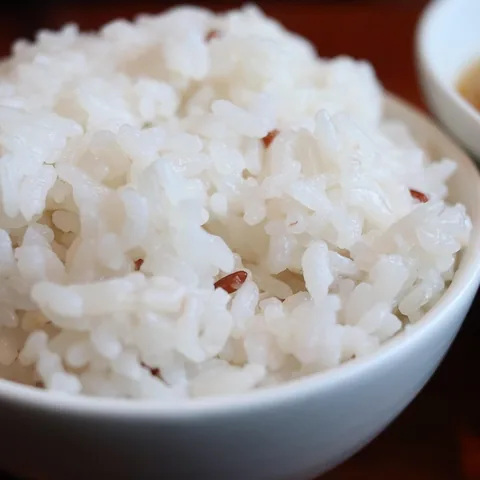
Chalaw is plain rice raised to a craft: long grains are soaked, parboiled and then steamed with oil so they stay slim, dry and separate. A little cumin gives it a warm scent. It is the neutral partner for stews, kebabs and sauces on every Afghan table.
Diets
Allergens
None of the 14 major allergens in a typical recipe.
What it is made of
Recipe
Ingredients
- 400 g basmati rice
- 2 l water for boiling
- 2 tsp salt
- 4 tbsp oil (60 ml)
- 1 tsp cumin seeds
- 100 ml water for steaming
Method
- Rinse the rice until the water runs clear and soak 30 minutes.
- Boil it in salted water for 6-7 minutes until just tender outside and firm inside, then drain.
- Heat oil with the cumin in a heavy pot and add 100 ml water.
- Mound the rice into the pot, make a few holes with a spoon handle and cover with a cloth and lid.
- Steam on lowest heat for 25 minutes.
- Fluff gently and serve with a stew or kebab.
How to make it lighter
- Use only 2 tbsp of oil for a lighter plate.
- Mix in brown basmati for extra fibre.
- Pair with a vegetable stew to balance the starch.
History
Afghan cooking distinguishes chalaw, which is served with a separate sauce, from palaw, in which rice and meat are cooked together. Both methods belong to the wider Persian rice tradition of parboiling and steaming.
Count it in one photo
Point your camera at the table — Me Nutrition recognises Chalaw (Afghan steamed white rice) and every other dish, with calories and macros for each. Ate only half? Slide it.
Download on the App StoreSimilar dishes
Values are estimates per 100 g for a typical recipe; home and restaurant versions vary. Diets and allergens are worked out from the ingredients of a typical recipe — always check with whoever cooked the dish. Not medical advice. Nutrition data: Me Nutrition dish database v15. How we count →