
Chipá (cheese and cassava rolls)
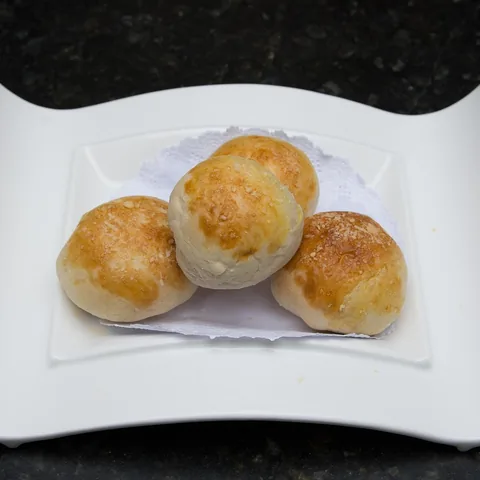
Chipá are small round or ring-shaped breads made from cassava starch, cheese, eggs and a little fat. Baked hot, they turn golden outside and stay chewy and stretchy inside, with a salty cheese flavour. In the Argentine provinces of Corrientes, Misiones and the rest of the Litoral they are sold at bus stops, roadsides and bakeries, and eaten warm for breakfast or with mate.
Diets
Allergens
Contains (in a typical recipe):
What it is made of
Recipe
Ingredients
- 500 g cassava (tapioca) starch
- 250 g hard cheese, grated
- 2 eggs
- 80 g butter, softened
- 120 ml milk
- 1 tsp salt
Method
- Rub the butter into the starch and salt.
- Add the eggs and cheese and mix.
- Add the milk gradually and knead until the dough is smooth and holds together.
- Shape into small balls or rings and place on a lined tray.
- Bake at 220 °C for 15–20 minutes until golden.
- Serve warm.
How to make it lighter
- Use a part-skim cheese and less butter.
- Eat two or three with a piece of fruit rather than a whole bag.
- Add grated pumpkin to the dough for moisture and vitamins.
History
Chipá comes from the Guaraní food tradition shared with Paraguay, where cassava was a staple long before wheat arrived. Cheese and eggs were added after European settlement. It is naturally gluten-free because it uses only cassava starch.
Count it in one photo
Point your camera at the table — Me Nutrition recognises Chipá (cheese and cassava rolls) and every other dish, with calories and macros for each. Ate only half? Slide it.
Download on the App StoreSimilar dishes
Values are estimates per 100 g for a typical recipe; home and restaurant versions vary. Diets and allergens are worked out from the ingredients of a typical recipe — always check with whoever cooked the dish. Not medical advice. Nutrition data: Me Nutrition dish database v15. How we count →