
Milanesa de carne (Argentine beef milanesa)
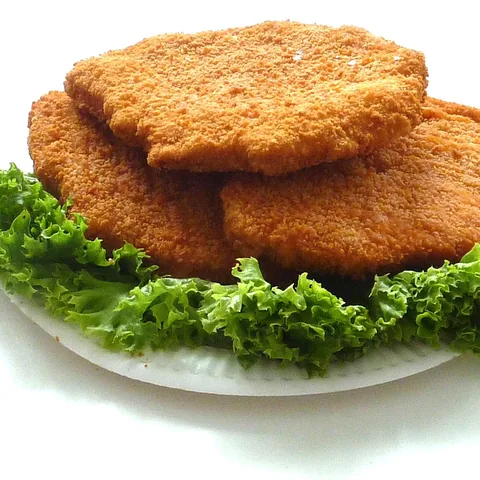
Milanesa de carne is a thin slice of beef, usually round or rump, soaked in egg seasoned with garlic and parsley, coated in breadcrumbs and fried. The result is crisp outside and tender inside. It is one of the most common home meals in Argentina, served with mashed potatoes, fries or salad and a squeeze of lemon.
Diets
Allergens
Contains (in a typical recipe):
What it is made of
Recipe
Ingredients
- 600 g thin beef cutlets (nalga or cuadrada)
- 2 eggs
- 2 garlic cloves, minced
- 2 tbsp chopped parsley
- 200 g breadcrumbs
- Oil for frying, salt
- Lemon wedges to serve
Method
- Beat eggs with garlic, parsley and salt.
- Soak the cutlets in the egg for 15 minutes.
- Press each cutlet firmly into breadcrumbs on both sides.
- Heat 1 cm of oil in a large pan.
- Fry 2–3 minutes per side until golden, then drain on paper.
- Serve hot with lemon wedges.
How to make it lighter
- Bake on an oiled tray at 220 °C for 15 minutes, turning once.
- Serve with salad rather than fries.
- Use panko for more crunch with less oil absorbed.
History
The dish came with Italian immigrants in the late 19th and early 20th centuries and is related to the cotoletta of Milan. In Argentina it was made with beef and became an everyday staple.
Count it in one photo
Point your camera at the table — Me Nutrition recognises Milanesa de carne (Argentine beef milanesa) and every other dish, with calories and macros for each. Ate only half? Slide it.
Download on the App StoreSimilar dishes
Values are estimates per 100 g for a typical recipe; home and restaurant versions vary. Diets and allergens are worked out from the ingredients of a typical recipe — always check with whoever cooked the dish. Not medical advice. Nutrition data: Me Nutrition dish database v15. How we count →