
Pasuts tolma (Lenten cabbage rolls)
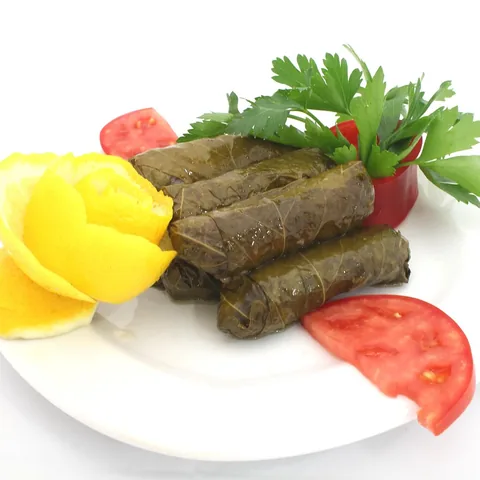
Pasuts tolma is the meatless tolma of the Armenian fast: cabbage leaves, often pickled, rolled around a filling of lentils, red beans, chickpeas and bulgur with onion and spices. The pulses make it surprisingly hearty and the sour leaves give it a bright tang. It is eaten warm or at room temperature, often with a drizzle of oil.
Diets
Allergens
Contains (in a typical recipe):
What it is made of
Recipe
Ingredients
- 1 cabbage (fresh or pickled leaves)
- 80 g green lentils
- 80 g cooked red beans
- 80 g cooked chickpeas
- 60 g coarse bulgur
- 2 onions, chopped
- 2 tbsp tomato paste
- 1 tsp dried mint, salt, pepper, 2 tbsp oil
Method
- Cook the lentils until just tender and drain.
- Soften the onion in the oil with tomato paste and dried mint.
- Mix lentils, beans, chickpeas, raw bulgur and the onion mixture; season well.
- Blanch fresh cabbage leaves (or rinse pickled ones), fill and roll them up.
- Pack in a pot, cover with water and a little tomato paste and weigh down with a plate.
- Simmer for 45-60 minutes until the bulgur is soft and the sauce thickened.
How to make it lighter
- Naturally vegan and high in fibre; keep the oil to a couple of spoons.
- Rinse pickled leaves well if you watch your salt intake.
- Serve with a squeeze of lemon and fresh herbs for extra freshness.
History
Pasuts means 'Lenten' in Armenian, and the dish is traditionally cooked during Great Lent, when meat and dairy are avoided. It is a good example of how Armenian cooks used dried pulses and grains to make filling meals without meat.
Count it in one photo
Point your camera at the table — Me Nutrition recognises Pasuts tolma (Lenten cabbage rolls) and every other dish, with calories and macros for each. Ate only half? Slide it.
Download on the App StoreSimilar dishes
Values are estimates per 100 g for a typical recipe; home and restaurant versions vary. Diets and allergens are worked out from the ingredients of a typical recipe — always check with whoever cooked the dish. Not medical advice. Nutrition data: Me Nutrition dish database v15. How we count →