
Ate con queso (fruit paste with cheese)
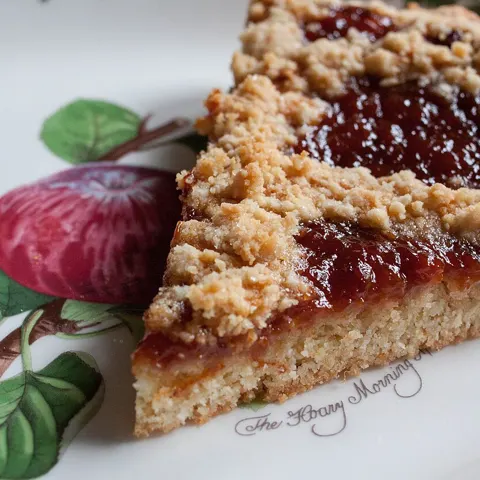
Ate con queso pairs thick slices of ate, a firm fruit paste usually made from quince or guava, with slices of mild white cheese. The dense, jammy sweetness of the fruit meets the soft saltiness of the cheese in each bite. It is a simple dessert or snack, served on a small plate or tucked into a bolillo.
Diets
Allergens
Contains (in a typical recipe):
What it is made of
Recipe
Ingredients
- 250 g quince or guava paste
- 250 g queso fresco or panela
- a few walnuts (optional)
Method
- Chill the fruit paste so it slices cleanly.
- Cut the paste into slices about 1 cm thick.
- Slice the cheese to the same size.
- Stack or alternate the slices on a plate.
- Add a few walnuts if you like and serve.
How to make it lighter
- Use more cheese and less paste for extra protein and less sugar.
- Choose panela or another low-fat fresh cheese.
- Keep the portion to two thin slices of each.
History
Fruit pastes came to Mexico with Spanish membrillo-making traditions, and Morelia in Michoacán is especially known for its ates. Pairing them with cheese is a common habit in Mexico, much like membrillo with cheese in Spain.
Count it in one photo
Point your camera at the table — Me Nutrition recognises Ate con queso (fruit paste with cheese) and every other dish, with calories and macros for each. Ate only half? Slide it.
Download on the App StoreSimilar dishes
Values are estimates per 100 g for a typical recipe; home and restaurant versions vary. Diets and allergens are worked out from the ingredients of a typical recipe — always check with whoever cooked the dish. Not medical advice. Nutrition data: Me Nutrition dish database v15. How we count →