
Mutaki (Azerbaijani nut-filled crescent rolls)
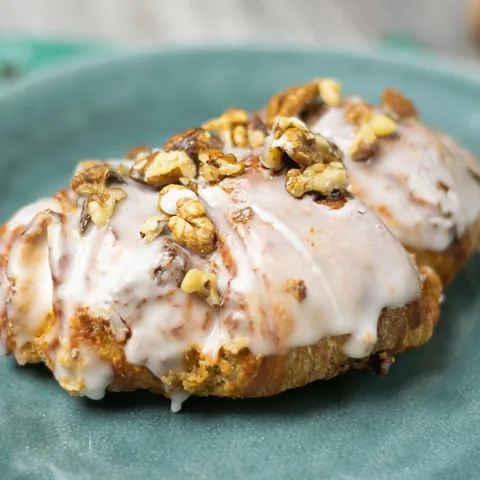
Mutaki are small rolled pastries made from a tender dough of butter and sour cream, filled with chopped walnuts, sugar and vanilla. Their shape resembles a little bolster cushion, which is what the name refers to. They are crumbly, lightly sweet and dusted with powdered sugar, perfect with a glass of tea.
Diets
Allergens
Contains (in a typical recipe):
What it is made of
Recipe
Ingredients
- 350 g flour
- 150 g cold butter
- 150 g sour cream
- 1/2 tsp baking powder
- Filling: 200 g walnuts, chopped, 120 g sugar, 1 tsp vanilla sugar
- Powdered sugar to dust
Method
- Rub butter into flour with baking powder, add sour cream and knead a soft dough; chill for 30 minutes.
- Mix walnuts, sugar and vanilla sugar.
- Divide the dough into 4, roll each into a circle and cut into 8 wedges.
- Place a little filling on the wide end of each wedge and roll towards the tip.
- Bake at 180 °C for 20 minutes until pale golden.
- Cool and dust with powdered sugar.
How to make it lighter
- Use light sour cream and a little less butter for a lower-fat dough.
- Cut the sugar in the filling by half; walnuts carry the flavour.
- Freeze some so you are not tempted to eat the whole batch.
History
Mutaki are a popular home cookie in Azerbaijan, baked for holidays and guests. The word mütəkkə refers to a cylindrical cushion, and the pastry is named after its rounded rolled form.
Count it in one photo
Point your camera at the table — Me Nutrition recognises Mutaki (Azerbaijani nut-filled crescent rolls) and every other dish, with calories and macros for each. Ate only half? Slide it.
Download on the App StoreSimilar dishes
Values are estimates per 100 g for a typical recipe; home and restaurant versions vary. Diets and allergens are worked out from the ingredients of a typical recipe — always check with whoever cooked the dish. Not medical advice. Nutrition data: Me Nutrition dish database v15. How we count →