
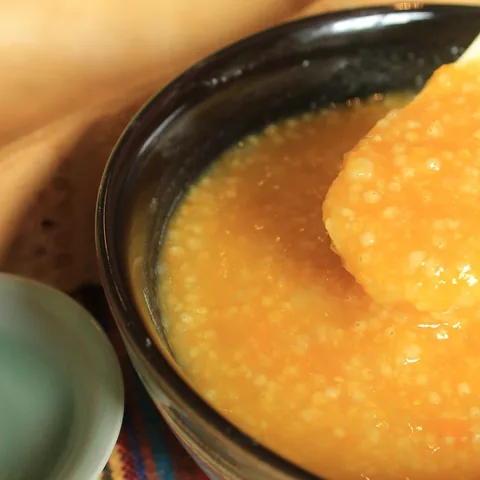
Zacirka (milk soup with dough crumbs)
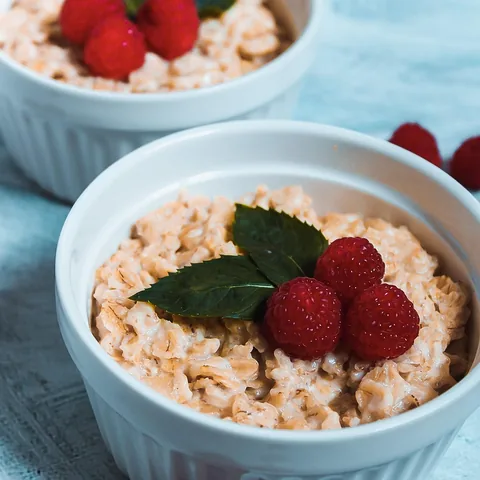
Zacirka are tiny pellets of dough made by rubbing flour with a little egg or water between the palms, then dropping them into simmering milk. They swell into soft, chewy bits that slightly thicken the milk, giving a mild, creamy soup that tastes of childhood for many Belarusians. A savoury version is cooked in broth with fried salo and onion.
Diets
Allergens
Contains (in a typical recipe):
What it is made of
Recipe
Ingredients
- 150 g flour
- 1 egg
- 1 l milk
- 20 g butter
- 1 tsp sugar (optional)
- Pinch of salt
Method
- Beat the egg with a pinch of salt and a spoon of water.
- Pour the egg into the flour and rub with your fingers until the mixture forms small crumbs.
- Shake the crumbs through a coarse sieve to remove excess flour.
- Bring the milk to a gentle boil with salt and sugar.
- Sprinkle in the crumbs, stirring, and cook on low heat for 8-10 minutes.
- Add the butter and serve hot.
How to make it lighter
- Use semi-skimmed milk to reduce fat.
- Make the crumbs with wholemeal flour for more fibre.
- For a savoury, lighter version cook them in vegetable broth with herbs.
History
Zacirka is a simple peasant dish made from the most basic ingredients of a village household: flour, milk and eggs. It was a common breakfast and supper in rural Belarus and is still cooked at home, especially for children.
Count it in one photo
Point your camera at the table — Me Nutrition recognises Zacirka (milk soup with dough crumbs) and every other dish, with calories and macros for each. Ate only half? Slide it.
Download on the App StoreSimilar dishes
Values are estimates per 100 g for a typical recipe; home and restaurant versions vary. Diets and allergens are worked out from the ingredients of a typical recipe — always check with whoever cooked the dish. Not medical advice. Nutrition data: Me Nutrition dish database v15. How we count →