
Galinha à cabidela (chicken in blood sauce)
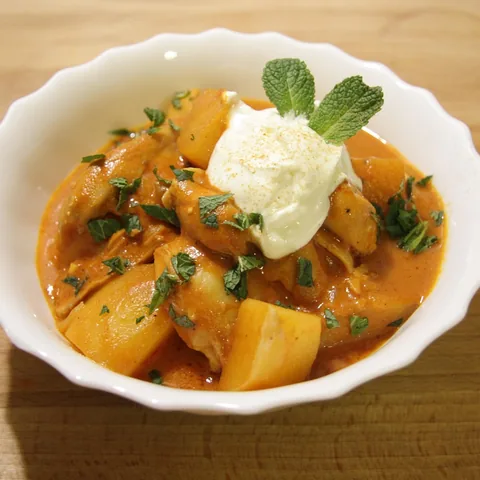
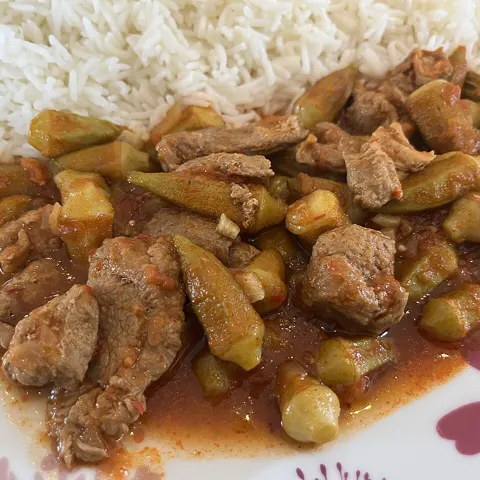
Galinha à cabidela, also called galinha de molho pardo, is a country chicken stew from the Northeast. When the bird is prepared, its blood is collected with vinegar so it does not clot; the chicken is stewed with onion, garlic, tomato and herbs, and the blood is stirred in at the end. The sauce turns dark brown, thick and glossy, with a deep, slightly tangy taste. It is eaten with rice and pirão.
Diets
Allergens
None of the 14 major allergens in a typical recipe.
What it is made of
Recipe
Ingredients
- 1 free-range chicken (1.5 kg), in pieces
- 150 ml chicken blood mixed with 2 tbsp vinegar
- 2 onions, 2 tomatoes, chopped
- 5 garlic cloves, 2 bay leaves
- 2 tbsp oil
- parsley, spring onion, black pepper, salt
Method
- Season the chicken with garlic, bay, pepper and salt and leave for 1 hour.
- Brown the pieces in oil, add the onion and tomato and cook until soft.
- Add water to cover and simmer for 45–60 minutes until the chicken is tender.
- Lower the heat and slowly stir in the blood and vinegar mixture.
- Cook 5 minutes more without boiling hard, add herbs and serve with rice.
How to make it lighter
- Remove the skin before stewing to cut fat.
- Serve with plenty of greens and a modest portion of rice.
- Skim the fat from the broth before adding the blood.
History
The dish came from Portugal, where arroz de cabidela is still popular, and it took root in rural Brazil, where free-range chickens were raised at home. It is especially loved in the Northeast and in Minas Gerais.
Count it in one photo
Point your camera at the table — Me Nutrition recognises Galinha à cabidela (chicken in blood sauce) and every other dish, with calories and macros for each. Ate only half? Slide it.
Download on the App StoreSimilar dishes
Values are estimates per 100 g for a typical recipe; home and restaurant versions vary. Diets and allergens are worked out from the ingredients of a typical recipe — always check with whoever cooked the dish. Not medical advice. Nutrition data: Me Nutrition dish database v15. How we count →