
Champurrado (chocolate masa drink)
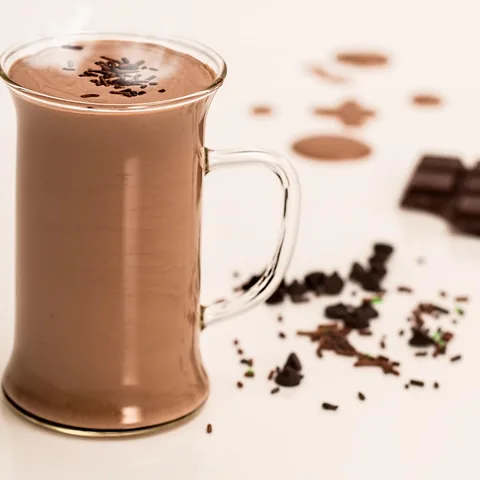
Champurrado is a chocolate atole: corn masa is whisked into hot milk or water with Mexican chocolate, piloncillo and cinnamon until it thickens like a pourable pudding. It tastes of cocoa and toasted corn with a light spice. It is sipped hot for breakfast or supper, usually with tamales or sweet bread.
Diets
Allergens
Contains (in a typical recipe):
What it is made of
Recipe
Ingredients
- 80 g corn masa (or masa harina mixed with water)
- 1 l milk or half milk, half water
- 90 g Mexican chocolate
- 60 g piloncillo
- 1 cinnamon stick
Method
- Heat the milk with the cinnamon and piloncillo until the sugar melts.
- Add the chopped chocolate and stir until dissolved.
- Blend the masa with 250 ml water until smooth and pour it into the pot through a sieve.
- Simmer, whisking constantly, for 10–15 minutes until thick and glossy.
- Remove the cinnamon and serve hot, frothing it with a whisk if you like.
How to make it lighter
- Use half water, half milk to lighten it.
- Halve the piloncillo; the chocolate already brings sweetness.
- Drink a smaller cup with a tamale instead of also adding sweet bread.
History
Atoles made from corn go back to pre-Hispanic times, and chocolate was combined with them long before the Spanish arrived. Champurrado is especially popular in cold months and around the Day of the Dead and Christmas posadas.
Count it in one photo
Point your camera at the table — Me Nutrition recognises Champurrado (chocolate masa drink) and every other dish, with calories and macros for each. Ate only half? Slide it.
Download on the App StoreSimilar dishes


Values are estimates per 100 g for a typical recipe; home and restaurant versions vary. Diets and allergens are worked out from the ingredients of a typical recipe — always check with whoever cooked the dish. Not medical advice. Nutrition data: Me Nutrition dish database v15. How we count →