
Arroz con pollo costarricense (Costa Rican chicken and rice)
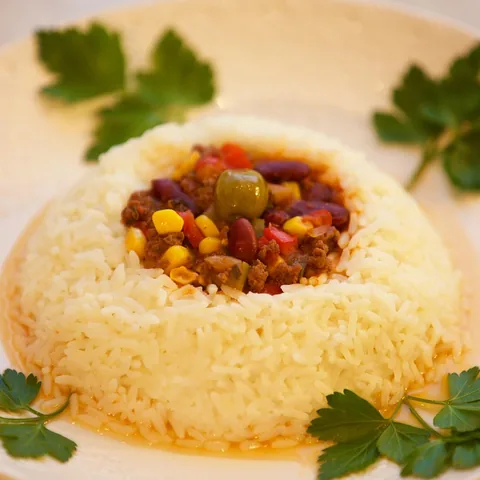
Costa Rican arroz con pollo is a one-pot dish of chicken pieces and rice colored with achiote or a little turmeric, cooked with carrot, peas and sweet pepper. It is savory, moist and mildly seasoned, with a slightly sweet vegetable note. It is a typical dish for family lunches and celebrations.
Diets
Allergens
None of the 14 major allergens in a typical recipe.
What it is made of
Recipe
Ingredients
- 500 g chicken pieces
- 300 g rice
- 1 carrot
- 100 g peas
- 1 sweet pepper
- 1 onion
- 2 garlic cloves
- 1 tsp achiote
- 700 ml chicken broth
- salt
Method
- Brown the seasoned chicken in a pot and set aside.
- Soften onion, garlic and pepper in the same pot.
- Add rice and achiote and stir 2 minutes.
- Pour in the broth, add the chicken, carrot and peas.
- Cover and cook on low heat for 25 minutes until the rice is tender.
How to make it lighter
- Remove chicken skin to cut fat.
- Add more vegetables to lower calories.
- Use brown rice and a little more broth.
History
Rice with chicken came to Latin America with Spanish cooking and became a staple in many countries. In Costa Rica it is a party classic, often served with a simple salad.
Count it in one photo
Point your camera at the table — Me Nutrition recognises Arroz con pollo costarricense (Costa Rican chicken and rice) and every other dish, with calories and macros for each. Ate only half? Slide it.
Download on the App StoreSimilar dishes
Values are estimates per 100 g for a typical recipe; home and restaurant versions vary. Diets and allergens are worked out from the ingredients of a typical recipe — always check with whoever cooked the dish. Not medical advice. Nutrition data: Me Nutrition dish database v15. How we count →