
Arancini (Croatian candied orange peel)
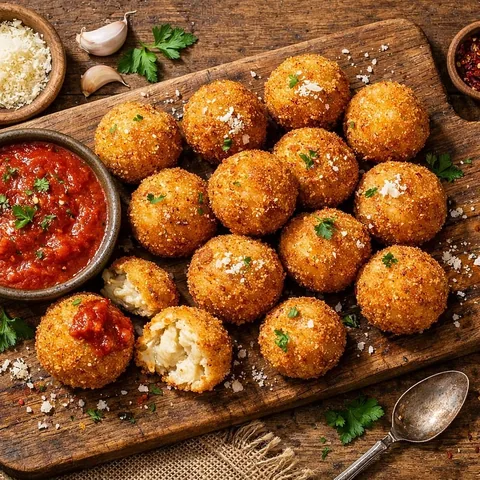
Croatian arancini are not rice balls but long strips of orange peel candied in sugar syrup. They are chewy, sweet and bitter-citrusy, and are sometimes dipped in dark chocolate. They are served as a sweet with coffee or used in cakes.
Diets
Allergens
None of the 14 major allergens in a typical recipe.
What it is made of
Recipe
Ingredients
- 4 oranges
- 300 g sugar
- 300 ml water
- 1 lemon
- sugar for coating
Method
- Peel the oranges in thick strips and cut into thin sticks.
- Boil the peel in water and drain; repeat twice to remove bitterness.
- Heat sugar, water and lemon juice to make a syrup.
- Simmer the peel in the syrup for about an hour until translucent.
- Drain and let dry on a rack.
- Roll in sugar and store in a jar.
How to make it lighter
- Eat only a few pieces; they are very sweet.
- Reduce sugar by blanching the peel more.
- Use dark chocolate sparingly.
History
The orange peel sweets are made in Dalmatia, where bitter orange trees grow, especially around Dubrovnik and on Pelješac. They are a traditional holiday sweet and often given as a gift.
Count it in one photo
Point your camera at the table — Me Nutrition recognises Arancini (Croatian candied orange peel) and every other dish, with calories and macros for each. Ate only half? Slide it.
Download on the App StoreSimilar dishes
Values are estimates per 100 g for a typical recipe; home and restaurant versions vary. Diets and allergens are worked out from the ingredients of a typical recipe — always check with whoever cooked the dish. Not medical advice. Nutrition data: Me Nutrition dish database v15. How we count →