
Natilla cubana (Cuban vanilla custard)
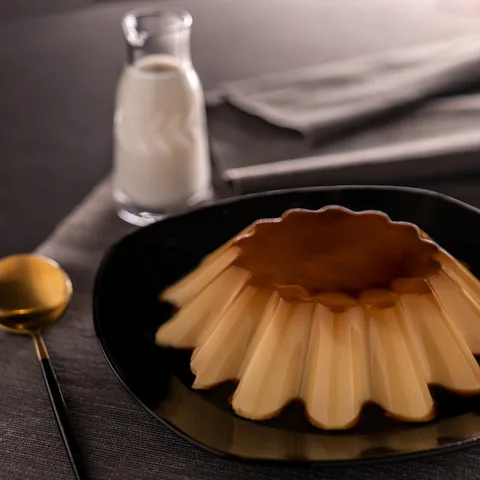
Natilla is a soft spoonable custard cooked on the stove until it coats a spoon. It tastes of vanilla, lemon peel and warm cinnamon, with a smooth, silky body. Cubans serve it chilled in small bowls or glasses, dusted with cinnamon, often as a home dessert after Sunday lunch.
Diets
Allergens
Contains (in a typical recipe):
What it is made of
Recipe
Ingredients
- 500 ml whole milk
- 4 egg yolks
- 100 g sugar
- 30 g cornstarch
- 1 cinnamon stick
- 1 strip lemon peel
- 1 tsp vanilla extract
- ground cinnamon for dusting
Method
- Dissolve the cornstarch in a little cold milk.
- Heat the rest of the milk with the cinnamon stick and lemon peel until steaming, then remove from heat and let infuse for 10 minutes.
- Whisk the yolks with the sugar until pale, then add the cornstarch mixture.
- Strain the warm milk into the yolks while whisking.
- Return to low heat and stir constantly for 8-10 minutes until thick.
- Stir in the vanilla, pour into bowls and chill for 2 hours.
- Dust with ground cinnamon before serving.
How to make it lighter
- Use low-fat milk and replace half the sugar with a sweetener to cut calories.
- Cook gently and keep stirring so the yolks do not scramble.
- Serve in small portions with fresh fruit instead of cookies.
History
Custards of milk and eggs came to the Caribbean with Spanish settlers and remain a staple of Cuban home cooking. Natilla is related to the Spanish natillas and is made in many Latin American countries with local variations.
Count it in one photo
Point your camera at the table — Me Nutrition recognises Natilla cubana (Cuban vanilla custard) and every other dish, with calories and macros for each. Ate only half? Slide it.
Download on the App StoreSimilar dishes

Values are estimates per 100 g for a typical recipe; home and restaurant versions vary. Diets and allergens are worked out from the ingredients of a typical recipe — always check with whoever cooked the dish. Not medical advice. Nutrition data: Me Nutrition dish database v15. How we count →