
Cuban papa rellena (stuffed potato ball)
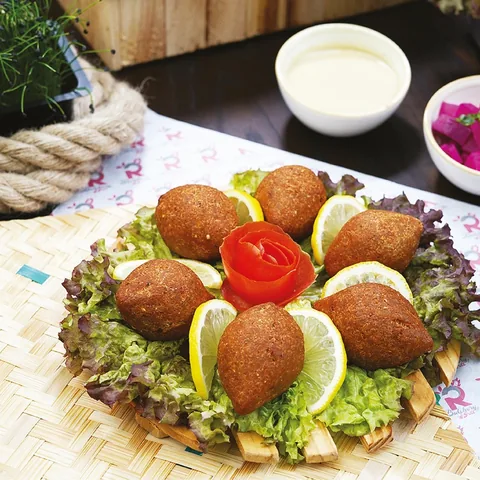
Cuban papa rellena is a ball of smooth mashed potato wrapped around a savory filling of ground beef cooked with tomato, onion, olives and raisins. It is dipped in egg, rolled in crumbs and fried until the shell is crisp and golden. The inside is soft and the filling slightly sweet and salty.
Diets
Allergens
Contains (in a typical recipe):
What it is made of
Recipe
Ingredients
- 600 g potatoes, boiled and mashed
- 250 g ground beef
- 1 onion, chopped (100 g)
- 100 g tomato sauce
- 30 g olives and 30 g raisins
- 1 egg and 80 g breadcrumbs
- 300 ml oil for frying
Method
- Brown the beef with onion and garlic and add tomato sauce, olives and raisins.
- Simmer 10 minutes until dry and cool the filling.
- Season the mashed potato and shape into palm-sized discs.
- Place filling in the center and close into a ball.
- Dip in beaten egg and roll in breadcrumbs.
- Fry at 180 C until golden, about 4 minutes, and drain.
How to make it lighter
- Bake at 220 C on a tray with oil spray to cut fat.
- Use lean beef for the filling.
- Serve with a salad rather than fries.
History
The dish is a street and cafe snack found across Cuba and in Cuban communities abroad. It builds on picadillo, a Spanish-Caribbean filling with olives and raisins. It is typically sold hot and eaten by hand.
Count it in one photo
Point your camera at the table — Me Nutrition recognises Cuban papa rellena (stuffed potato ball) and every other dish, with calories and macros for each. Ate only half? Slide it.
Download on the App StoreSimilar dishes
Values are estimates per 100 g for a typical recipe; home and restaurant versions vary. Diets and allergens are worked out from the ingredients of a typical recipe — always check with whoever cooked the dish. Not medical advice. Nutrition data: Me Nutrition dish database v15. How we count →