
Habichuelas con dulce (sweet bean cream)
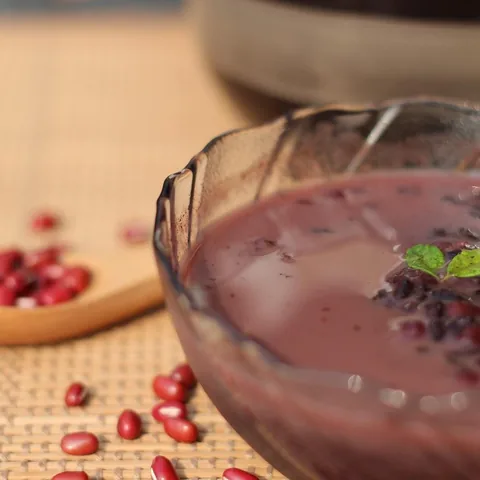
Habichuelas con dulce is a thick sweet cream made from red beans blended with coconut milk, evaporated milk, sugar and warm spices. It is served chilled or lukewarm with cubes of sweet potato, raisins and crunchy cookies called galletas de leche on top. The flavour is mellow, creamy and lightly spiced with cinnamon and cloves.
Diets
Allergens
Contains (in a typical recipe):
What it is made of
Recipe
Ingredients
- 300 g dried red beans (cooked)
- 400 ml coconut milk
- 200 ml evaporated milk
- 150 g sugar
- 200 g sweet potato, diced
- 1 cinnamon stick
- 4 cloves
- 50 g raisins
- milk crackers to serve
Method
- Boil the beans until very soft and blend them with their liquid into a smooth cream.
- Return to the pot and add the coconut milk, evaporated milk, sugar, cinnamon and cloves.
- Simmer 30 minutes, stirring often.
- Add the diced sweet potato and raisins and cook 20 minutes until soft.
- Remove the cinnamon and cloves.
- Serve warm or chilled topped with crushed crackers.
How to make it lighter
- Reduce the sugar by a third.
- Use light coconut milk and skip the evaporated milk for a lighter version.
- Serve in small bowls.
History
It is the traditional dessert of Lent and Holy Week in the Dominican Republic, shared with neighbours and relatives. Sweetened beans combine Spanish, African and local ingredients.
Count it in one photo
Point your camera at the table — Me Nutrition recognises Habichuelas con dulce (sweet bean cream) and every other dish, with calories and macros for each. Ate only half? Slide it.
Download on the App StoreSimilar dishes

Values are estimates per 100 g for a typical recipe; home and restaurant versions vary. Diets and allergens are worked out from the ingredients of a typical recipe — always check with whoever cooked the dish. Not medical advice. Nutrition data: Me Nutrition dish database v15. How we count →