
Moro de guandules con coco (rice with pigeon peas and coconut)
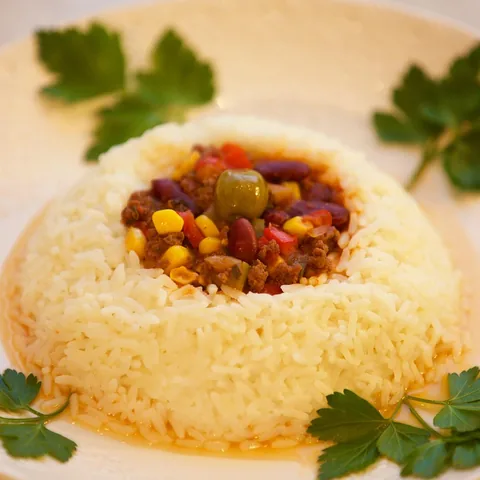
Moro de guandules con coco is rice cooked together with green pigeon peas, sofrito and coconut milk. The grains stay separate and take on a mild coconut sweetness with savoury herbs. It is a favourite side for roast pork and fried fish, especially at Christmas.
Diets
Allergens
None of the 14 major allergens in a typical recipe.
What it is made of
Recipe
Ingredients
- 300 g long-grain rice
- 250 g cooked pigeon peas
- 200 ml coconut milk
- 3 tbsp sofrito
- 2 tbsp olive oil
- 300 ml water
- chopped cilantro
- salt
Method
- Warm the oil and cook the sofrito for 3 minutes.
- Add the pigeon peas and stir.
- Add the rice and stir to coat.
- Pour in the coconut milk and water, season with salt and bring to a boil.
- Cover and cook on low heat for 20 minutes.
- Rest 5 minutes, fluff and add cilantro.
How to make it lighter
- Use light coconut milk to reduce the fat.
- Mix in brown rice for more fibre.
- Serve with grilled fish or chicken.
History
Moro dishes of rice and beans are found across the Spanish Caribbean. The pigeon pea, brought from Africa, is the signature legume of Dominican celebrations.
Count it in one photo
Point your camera at the table — Me Nutrition recognises Moro de guandules con coco (rice with pigeon peas and coconut) and every other dish, with calories and macros for each. Ate only half? Slide it.
Download on the App StoreSimilar dishes
Values are estimates per 100 g for a typical recipe; home and restaurant versions vary. Diets and allergens are worked out from the ingredients of a typical recipe — always check with whoever cooked the dish. Not medical advice. Nutrition data: Me Nutrition dish database v15. How we count →