
Yaguarlocro (potato soup with lamb tripe and blood)
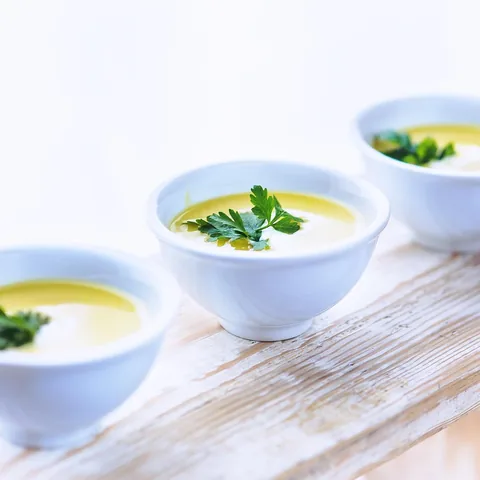
Yaguarlocro starts as a creamy potato locro, but chopped lamb tripe and offal are simmered in it. Just before serving, each bowl gets a spoonful of lamb blood fried with onion and herbs, plus avocado and pickled red onion. The flavour is deep, earthy and rich. It is a weekend favourite at markets in the highlands.
Diets
Allergens
Contains (in a typical recipe):
What it is made of
Recipe
Ingredients
- 500 g lamb tripe and offal, cleaned
- 1 kg potatoes, cubed
- 1 onion, chopped
- 1 tsp achiote oil
- 250 ml milk
- 250 ml fresh lamb blood, cooked and crumbled
- 1 red onion, pickled in lime
- 1 avocado, mint, cilantro
Method
- Boil the tripe and offal in salted water with herbs for about 1.5 hours until tender, then chop.
- Sauté onion in achiote oil, add potatoes and some of the offal broth and simmer until they break down.
- Stir in the chopped tripe and the milk and heat gently.
- Fry the cooked blood with a little onion and mint for a few minutes.
- Serve the soup topped with the fried blood, avocado and pickled onion.
How to make it lighter
- Clean the tripe thoroughly and skim the broth to remove excess fat.
- Use less milk and more broth for a lighter soup.
- Offal is rich in iron, so a modest portion goes a long way.
History
The name mixes the Kichwa word yawar, meaning blood, with locro, the Andean potato soup. It reflects the habit of using every part of the animal after a slaughter. It is especially popular in Quito and the central Andean provinces.
Count it in one photo
Point your camera at the table — Me Nutrition recognises Yaguarlocro (potato soup with lamb tripe and blood) and every other dish, with calories and macros for each. Ate only half? Slide it.
Download on the App StoreSimilar dishes
Values are estimates per 100 g for a typical recipe; home and restaurant versions vary. Diets and allergens are worked out from the ingredients of a typical recipe — always check with whoever cooked the dish. Not medical advice. Nutrition data: Me Nutrition dish database v15. How we count →