
Edikang ikong
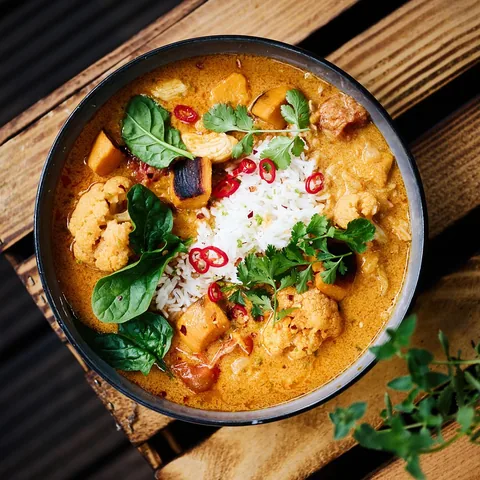
Edikang ikong comes from Calabar and is made with a very generous amount of leaves and very little liquid. Fluted pumpkin leaves and waterleaf are cooked quickly in palm oil with meat, stockfish, crayfish and periwinkles. The result is thick, green and fresh-tasting. It is traditionally eaten with fufu, garri or pounded yam.
Diets
Allergens
Contains (in a typical recipe):
What it is made of
Recipe
Ingredients
- 400 g fluted pumpkin leaves (ugu) or spinach
- 300 g waterleaf or spinach
- 100 g palm oil
- 100 g stockfish
- 400 g assorted meats (beef, tripe)
- 100 g periwinkles (optional)
- 40 g ground dried crayfish
- 2 g scotch bonnet peppers
Method
- Boil the meats and stockfish with seasoning until tender; keep a little stock.
- Heat palm oil and fry pepper, crayfish and periwinkles for 2 minutes.
- Add the meats and a small amount of stock and simmer 5 minutes.
- Add the shredded waterleaf first, cover and cook 3 minutes.
- Add the pumpkin leaves, stir and cook 5 minutes more; adjust the salt.
How to make it lighter
- Use less palm oil and skim the surface to cut saturated fat.
- Choose lean meat or fish and add extra leafy greens.
- Season with spices and herbs to reduce salt and stock cubes.
History
The soup is associated with the Efik and Ibibio of the Cross River area and is regarded as a celebratory dish. It is sometimes served to new brides as a sign of abundance.
Count it in one photo
Point your camera at the table — Me Nutrition recognises Edikang ikong and every other dish, with calories and macros for each. Ate only half? Slide it.
Download on the App StoreSimilar dishes
Values are estimates per 100 g for a typical recipe; home and restaurant versions vary. Diets and allergens are worked out from the ingredients of a typical recipe — always check with whoever cooked the dish. Not medical advice. Nutrition data: Me Nutrition dish database v15. How we count →