
Elarji (cheesy corn porridge)
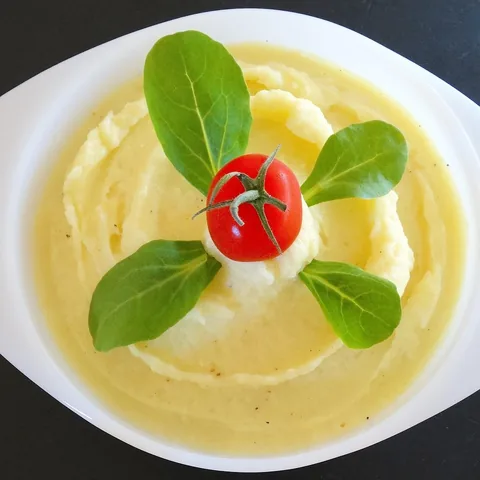
Elarji is ghomi taken one step further: lots of grated sulguni is beaten into the hot corn porridge until it turns elastic and stretches in long strands. The result is rich, salty and very satisfying. It is traditionally eaten with bazhe or other walnut sauces. In Samegrelo it is a dish for guests and celebrations.
Diets
Allergens
Contains (in a typical recipe):
What it is made of
Recipe
Ingredients
- 120 g coarse corn grits
- 80 g fine cornmeal
- 1 l water
- 400 g sulguni, grated
- 1/2 tsp salt
Method
- Cook the grits in boiling water for 20 minutes, stirring.
- Add the cornmeal gradually and cook 15 minutes more to a thick ghomi.
- Lower the heat and add the cheese in handfuls.
- Beat vigorously with a wooden spoon until the mass becomes smooth and stretchy.
- Taste for salt; sulguni is already salty.
- Serve immediately, while it still stretches.
How to make it lighter
- Use half the cheese for a lighter but still creamy version.
- Serve with a large green salad rather than nut sauce.
- Mix part mozzarella with sulguni to reduce salt.
History
Elarji is a speciality of Samegrelo in western Georgia, the region most associated with sulguni. Its stretchy texture is often compared to French aligot.
Count it in one photo
Point your camera at the table — Me Nutrition recognises Elarji (cheesy corn porridge) and every other dish, with calories and macros for each. Ate only half? Slide it.
Download on the App StoreSimilar dishes

Values are estimates per 100 g for a typical recipe; home and restaurant versions vary. Diets and allergens are worked out from the ingredients of a typical recipe — always check with whoever cooked the dish. Not medical advice. Nutrition data: Me Nutrition dish database v15. How we count →