
Tibs (Ethiopian sautéed beef)
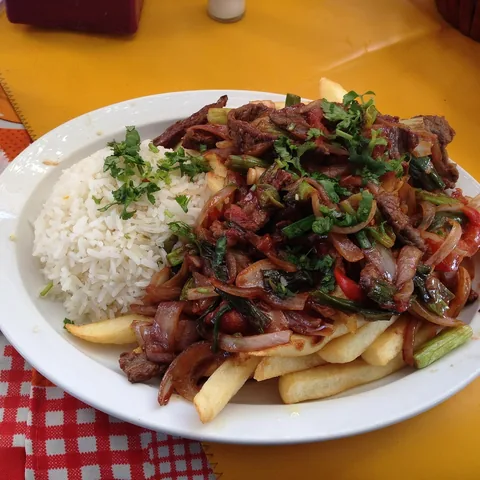
Tibs is a festive dish of bite-sized meat seared in a hot pan with onion, green pepper and rosemary. It is juicy, savory and lightly aromatic, with a little heat from fresh chilli. It is served on injera or with a side of awaze for dipping, and often arrives on a small clay brazier.
Diets
Allergens
None of the 14 major allergens in a typical recipe.
What it is made of
Recipe
Ingredients
- 500 g beef
- 2 pcs onion
- 2 pcs green pepper
- 1 tbsp niter kibbeh (spiced butter)
- 1 tbsp vegetable oil
- 1 sprig rosemary
- 1 tsp salt
Method
- Cut the meat into small cubes and pat dry.
- Heat the oil and niter kibbeh in a wide pan until very hot.
- Sear the meat in batches for 3-4 minutes until browned.
- Add sliced onion, green pepper and rosemary and cook 5 minutes more.
- Season with salt and serve hot with injera.
How to make it lighter
- Choose lean cuts such as sirloin and trim visible fat.
- Use a hot pan and small batches so the meat browns instead of steaming.
- Add more peppers and onion to increase vegetables.
History
Tibs is found in many forms across Ethiopia and is usually associated with celebrations, holidays and restaurant outings. Variations differ in the cut of meat, the amount of spice and whether the meat is served dry or with a little sauce.
Count it in one photo
Point your camera at the table — Me Nutrition recognises Tibs (Ethiopian sautéed beef) and every other dish, with calories and macros for each. Ate only half? Slide it.
Download on the App StoreSimilar dishes
Values are estimates per 100 g for a typical recipe; home and restaurant versions vary. Diets and allergens are worked out from the ingredients of a typical recipe — always check with whoever cooked the dish. Not medical advice. Nutrition data: Me Nutrition dish database v15. How we count →