
Gebzhalia (sulguni rolls in mint sauce)
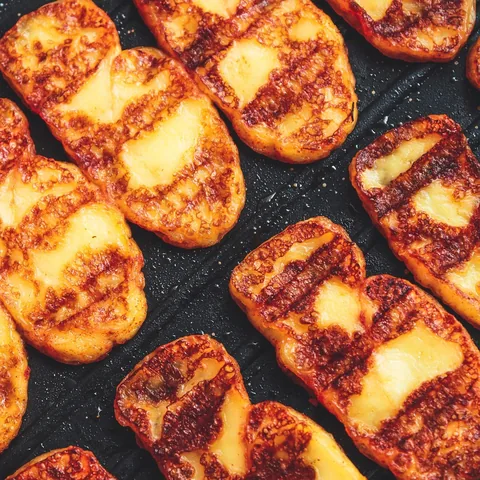
Gebzhalia is a cool, creamy Megrelian appetizer. Young sulguni is softened in hot water, stretched into thin sheets, spread with soft cheese and fresh mint, then rolled up. The rolls are sliced and served in a sauce of matsoni (Georgian yogurt) with mint and a little garlic. It tastes milky, tangy and refreshing.
Diets
Allergens
Contains (in a typical recipe):
What it is made of
Recipe
Ingredients
- 400 g fresh young sulguni
- 150 g nadughi or ricotta
- 300 g matsoni or plain yogurt
- 1 bunch fresh mint, chopped
- 1 garlic clove
- pinch of chili
- salt
Method
- Heat the sulguni in hot (not boiling) water until it softens and can be stretched.
- Flatten it by hand into a thin sheet.
- Mix the nadughi with half the mint and spread it over the cheese.
- Roll up tightly and cut into thick slices.
- Stir matsoni with remaining mint, crushed garlic, chili and salt.
- Pour the sauce into a dish and arrange the rolls in it; serve cool.
How to make it lighter
- Use low-fat yogurt for the sauce.
- Serve as part of a mezze spread with plenty of vegetables.
- Keep portions small; the cheese is rich and salty.
History
Gebzhalia is a traditional dish of Samegrelo, where fresh sulguni is made daily in many households. It shows how Megrelian cooks use the stretchy curd as a base for many different preparations.
Count it in one photo
Point your camera at the table — Me Nutrition recognises Gebzhalia (sulguni rolls in mint sauce) and every other dish, with calories and macros for each. Ate only half? Slide it.
Download on the App StoreSimilar dishes

Values are estimates per 100 g for a typical recipe; home and restaurant versions vary. Diets and allergens are worked out from the ingredients of a typical recipe — always check with whoever cooked the dish. Not medical advice. Nutrition data: Me Nutrition dish database v15. How we count →