
Hormigas culonas (toasted Santander queen ants)
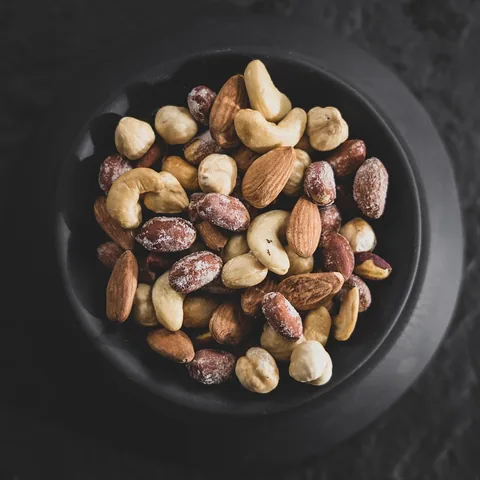
Hormigas culonas, "big-bottomed ants", are the large abdomens of queen leafcutter ants collected during their spring mating flights and toasted in a clay pan with salt. They are crunchy with a nutty, slightly smoky taste that people often compare to roasted peanuts or crisp bacon. They are sold in small paper cones or bags as a snack and are rich in protein.
Diets
Allergens
None of the 14 major allergens in a typical recipe.
What it is made of
Recipe
Ingredients
- 200 g cleaned queen ants (wings and legs removed)
- 2 tsp salt
- 1 tsp oil (optional)
- A little water
Method
- Soak the cleaned ants in lightly salted water for 15 minutes, then drain.
- Heat a clay or heavy pan over medium heat.
- Add the ants with the salt and a drop of oil if using.
- Toast, stirring constantly, for 10-15 minutes until dry and crisp.
- Cool on a tray; they get crunchier as they cool.
- Serve as a snack in small portions.
How to make it lighter
- A small handful (about 30 g) is plenty: they are dense in calories and protein.
- Toast them dry, without oil, to keep the fat down.
- People with shellfish allergy should be careful, as insects can cause cross-reactions.
History
Eating these ants goes back to the Guane people who lived in what is now Santander before the Spanish arrived. The harvest is seasonal, mainly in April and May after the first rains, which makes them a prized regional delicacy, especially around Barichara and San Gil.
Count it in one photo
Point your camera at the table — Me Nutrition recognises Hormigas culonas (toasted Santander queen ants) and every other dish, with calories and macros for each. Ate only half? Slide it.
Download on the App StoreSimilar dishes
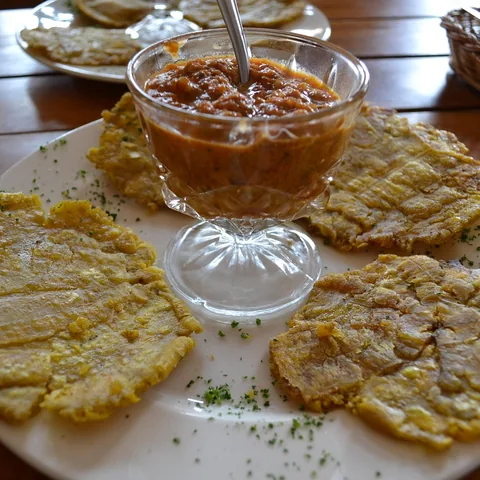
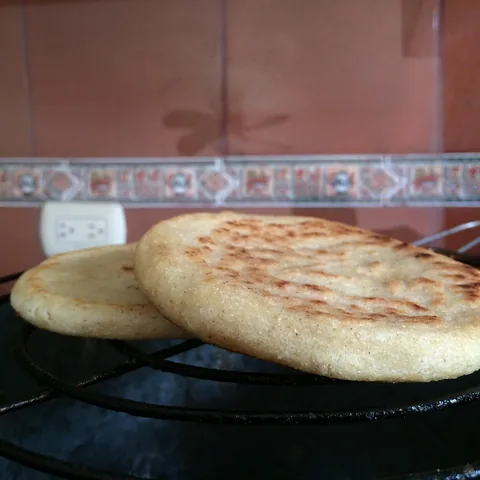
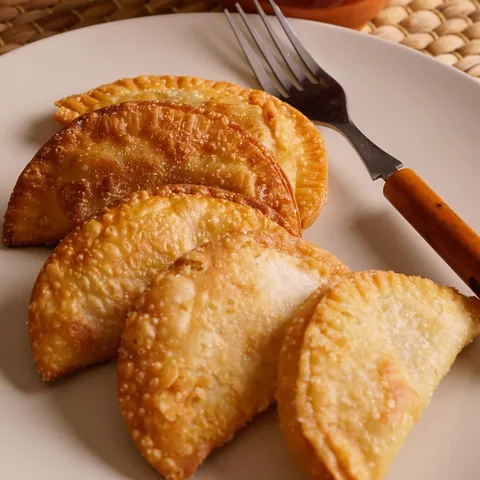
Values are estimates per 100 g for a typical recipe; home and restaurant versions vary. Diets and allergens are worked out from the ingredients of a typical recipe — always check with whoever cooked the dish. Not medical advice. Nutrition data: Me Nutrition dish database v15. How we count →