
Esterházy torta (walnut meringue cake)
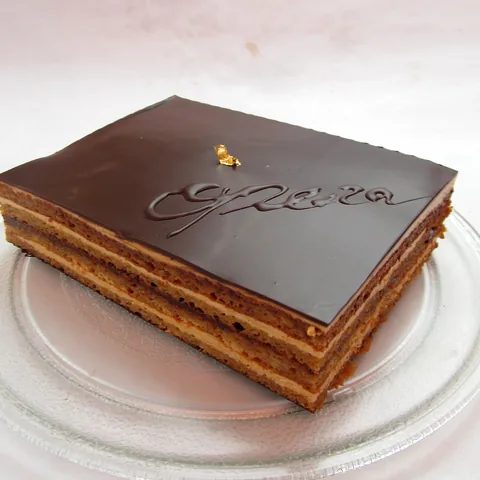
Esterházy torta is one of Hungary's most famous cakes. Thin walnut meringue discs are stacked with a smooth vanilla-walnut buttercream and topped with white fondant marked in a web pattern. It is sweet, nutty and very rich, so small slices are enough. It is served with afternoon coffee.
Diets
Allergens
Contains (in a typical recipe):
What it is made of
Recipe
Ingredients
- 200 g ground walnuts
- 6 egg whites
- 200 g sugar
- 250 g butter
- 250 ml milk
- 3 egg yolks
- 60 g apricot jam
- 150 g white fondant
Method
- Whip the egg whites with half the sugar to stiff peaks and fold in the walnuts.
- Spread the meringue in five thin discs and bake at 160 C until pale golden, about 20 minutes each.
- Cook the milk, yolks and remaining sugar into a custard and cool it.
- Beat the soft butter into the custard and flavour with vanilla.
- Stack the discs with cream, coat the top with warm jam and fondant, and draw a web pattern.
How to make it lighter
- Cut thin slices; the cake is very rich.
- Use a little less sugar in the cream.
- Replace part of the butter with whipped quark cream.
History
It is named after the aristocratic Esterházy family and has been a fixture of Hungarian confectioneries since the late nineteenth century. Walnut meringue layers are typical of Central European pastry.
Count it in one photo
Point your camera at the table — Me Nutrition recognises Esterházy torta (walnut meringue cake) and every other dish, with calories and macros for each. Ate only half? Slide it.
Download on the App StoreSimilar dishes
Values are estimates per 100 g for a typical recipe; home and restaurant versions vary. Diets and allergens are worked out from the ingredients of a typical recipe — always check with whoever cooked the dish. Not medical advice. Nutrition data: Me Nutrition dish database v15. How we count →