
Lamb under the peka (Janjetina ispod čripnje)
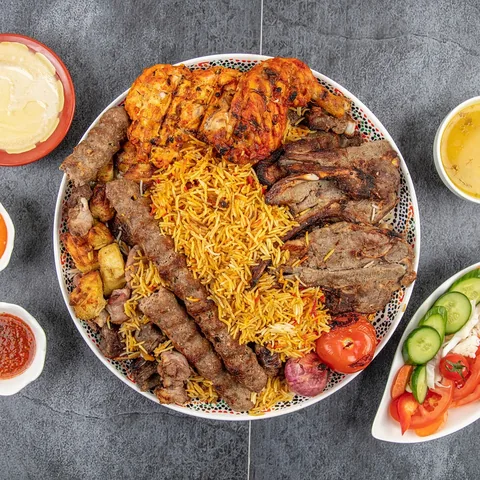
This dish is lamb and potatoes roasted slowly under a bell-shaped metal lid covered with hot embers. The meat turns very tender and the potatoes soak up the juices and smoke. It is flavoured with garlic, rosemary and olive oil.
Diets
Allergens
None of the 14 major allergens in a typical recipe.
What it is made of
Recipe
Ingredients
- 1.5 kg lamb pieces
- 1 kg potatoes
- 6 cloves garlic
- 4 tbsp olive oil
- 2 sprigs rosemary
- salt and pepper
Method
- Rub the lamb with garlic, salt, pepper and oil.
- Place the meat in a baking dish with rosemary.
- Add quartered potatoes around it.
- Cover with the metal lid and pile hot embers on top.
- Cook for about 2 hours, refreshing the embers.
- Rest for 10 minutes before serving.
How to make it lighter
- Trim visible fat from the lamb.
- Add more vegetables and fewer potatoes.
- An oven with a tight lid works at home.
History
The method is a traditional way of cooking in Croatia, especially in Dalmatia and the islands, where the bell is placed directly on the hearth. It is usually made for family gatherings and holidays, and needs to be ordered ahead in restaurants.
Count it in one photo
Point your camera at the table — Me Nutrition recognises Lamb under the peka (Janjetina ispod čripnje) and every other dish, with calories and macros for each. Ate only half? Slide it.
Download on the App StoreSimilar dishes
Values are estimates per 100 g for a typical recipe; home and restaurant versions vary. Diets and allergens are worked out from the ingredients of a typical recipe — always check with whoever cooked the dish. Not medical advice. Nutrition data: Me Nutrition dish database v15. How we count →