
Jugo de naranjilla (lulo juice)
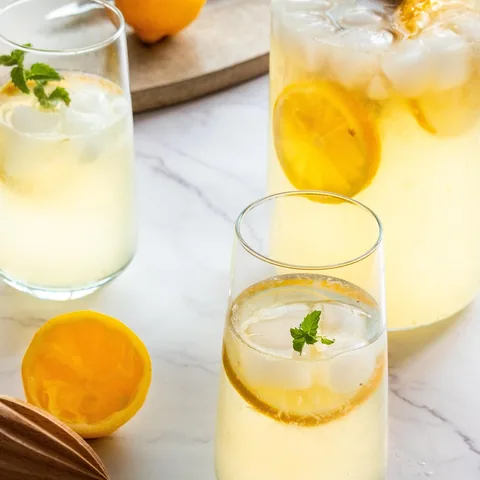
Jugo de naranjilla is one of the most popular fresh juices in Ecuador, made by blending the green pulp of the naranjilla, also called lulo, with cold water and sugar. Its flavor is sharp and refreshing, somewhere between citrus, rhubarb and pineapple. It is served with lunch at homes and in almost every set-menu restaurant.
Diets
Allergens
None of the 14 major allergens in a typical recipe.
What it is made of
Recipe
Ingredients
- 6 ripe naranjillas (about 400 g)
- 1 l cold water
- 60 g sugar or to taste
- Juice of 1/2 lime (optional)
- Ice
Method
- Rub the fuzz off the fruit, rinse and cut in half.
- Scoop the pulp and seeds into a blender.
- Add half the water and pulse briefly so the seeds do not break.
- Strain through a sieve, then stir in the rest of the water, sugar and lime.
- Serve at once over ice.
How to make it lighter
- Sweeten with a little stevia or honey, or skip sugar entirely.
- Leave some pulp unstrained for extra fiber.
- Dilute with sparkling water for a lighter, fizzy drink.
History
The naranjilla is native to the northern Andes and grows on the humid eastern slopes of Ecuador and Colombia. It is rarely eaten raw because of its acidity, so juice and fruit desserts are the most common ways to enjoy it.
Count it in one photo
Point your camera at the table — Me Nutrition recognises Jugo de naranjilla (lulo juice) and every other dish, with calories and macros for each. Ate only half? Slide it.
Download on the App StoreSimilar dishes

Values are estimates per 100 g for a typical recipe; home and restaurant versions vary. Diets and allergens are worked out from the ingredients of a typical recipe — always check with whoever cooked the dish. Not medical advice. Nutrition data: Me Nutrition dish database v15. How we count →