
Irimshik (Kazakh dried curd cheese)
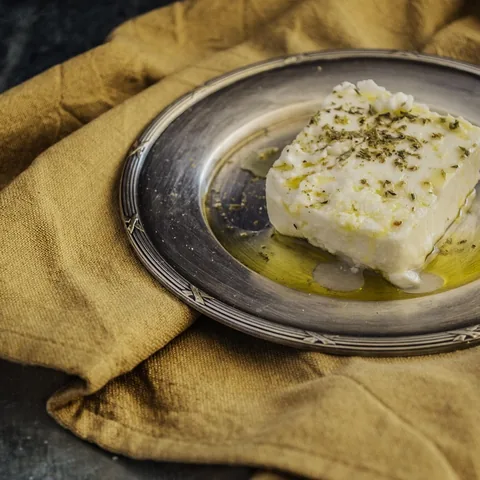
Irimshik is a firm, crumbly curd cheese made by heating fresh milk with a little sour milk until it separates, then cooking the curds down until they turn golden. The taste is mildly sweet and milky with a light caramel note. It is broken into small pieces and nibbled with tea or given to children as a treat.
Diets
Allergens
Contains (in a typical recipe):
What it is made of
Recipe
Ingredients
- 2 l whole milk
- 300 ml sour milk or plain yogurt
- 1-2 tbsp sugar (optional)
Method
- Bring the milk almost to the boil in a heavy pot.
- Stir in the sour milk and wait until the curds separate from the whey.
- Pour off most of the whey, leaving the curds in the pot.
- Cook on low heat, stirring often, until the curds turn golden and dry, about 1.5 hours.
- Add sugar if using, press into small pieces and dry them in a warm place for a day.
How to make it lighter
- Skip the sugar: the long cooking already brings natural sweetness.
- Keep portions to a few pieces, as the dried cheese is dense in calories.
- Use skimmed milk for a leaner, firmer version.
History
Irimshik belongs to the old dairy tradition of the Kazakh steppe, where herders preserved surplus summer milk by drying it. Similar cooked curd cheeses are known across Central Asia.
Count it in one photo
Point your camera at the table — Me Nutrition recognises Irimshik (Kazakh dried curd cheese) and every other dish, with calories and macros for each. Ate only half? Slide it.
Download on the App StoreSimilar dishes

Values are estimates per 100 g for a typical recipe; home and restaurant versions vary. Diets and allergens are worked out from the ingredients of a typical recipe — always check with whoever cooked the dish. Not medical advice. Nutrition data: Me Nutrition dish database v15. How we count →