
Kebapche (Bulgarian grilled minced-meat sausage)
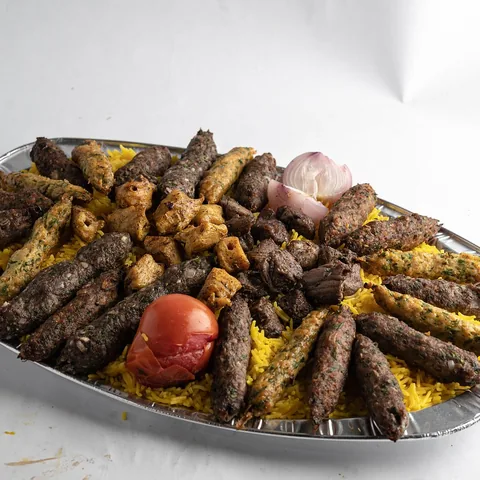
Kebapche is an elongated skinless sausage of minced pork and beef seasoned with cumin and salt, grilled over charcoal. It is juicy, smoky and aromatic. Bulgarians eat it with fries, shopska salad and bread, and it is a classic at every barbecue.
Diets
Allergens
None of the 14 major allergens in a typical recipe.
What it is made of
Recipe
Ingredients
- 400 g ground pork
- 400 g ground beef
- 1 tsp cumin
- 1 tsp salt
- 1/2 tsp black pepper
- 1 tsp baking soda
- 80 ml sparkling water
Method
- Mix both meats with salt, pepper, cumin and soda.
- Knead in the sparkling water until the mixture is sticky.
- Chill for at least 3 hours.
- Shape into fingers about 10 cm long.
- Grill over hot coals, turning, for 10-12 minutes.
- Serve right away with bread and salad.
How to make it lighter
- Use lean meat and drain off fat while grilling.
- Serve with salad instead of fries.
- Avoid charring to limit burnt compounds.
History
Skinless grilled meat rolls came to the Balkans through Ottoman cooking. In Bulgaria the kebapche has its own style, mixing pork and beef and relying on cumin and a long rest in the fridge for flavour.
Count it in one photo
Point your camera at the table — Me Nutrition recognises Kebapche (Bulgarian grilled minced-meat sausage) and every other dish, with calories and macros for each. Ate only half? Slide it.
Download on the App StoreSimilar dishes

Values are estimates per 100 g for a typical recipe; home and restaurant versions vary. Diets and allergens are worked out from the ingredients of a typical recipe — always check with whoever cooked the dish. Not medical advice. Nutrition data: Me Nutrition dish database v15. How we count →