
Kiveve (Paraguayan squash and cheese porridge)
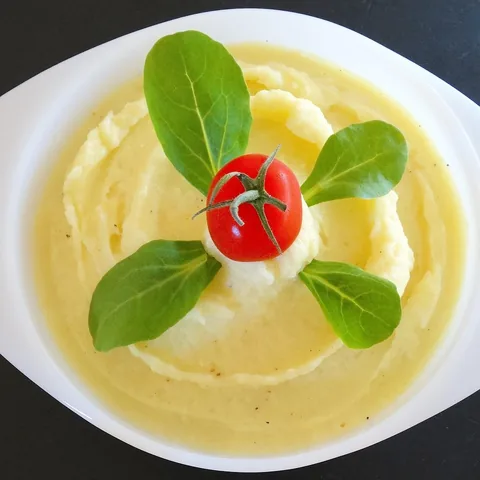
Kiveve is a smooth, golden dish made by cooking squash until it falls apart, then thickening it with cornmeal and enriching it with milk and fresh cheese. The taste is mild, sweet and savory at once. It is served as a side dish, especially next to grilled meat and on festive tables.
Diets
Allergens
Contains (in a typical recipe):
What it is made of
Recipe
Ingredients
- 800 g squash, peeled and cubed
- 1 onion, chopped
- 1 tbsp oil
- 300 ml milk
- 80 g fine cornmeal
- 150 g fresh cheese, cubed
- 1 tsp salt
Method
- Soften the onion in oil in a wide pot.
- Add the squash and a splash of water, cover and cook until very soft, about 20 minutes.
- Mash the squash roughly with a fork.
- Pour in the milk and bring it to a gentle simmer.
- Sprinkle in the cornmeal while stirring to avoid lumps.
- Cook 8 minutes until thick, then fold in the cheese and salt.
- Serve hot while the cheese is just melting.
How to make it lighter
- Use low-fat milk and a lighter fresh cheese to trim fat.
- Add extra squash and less cornmeal for a lower-carb, more vegetable-rich version.
- Serve it next to lean grilled meat instead of rice or bread.
History
The dish comes from the Guarani culinary tradition, where squash and corn are old staples. It is usually associated with family gatherings and the Holy Week table in Paraguay. Recipes vary by household in how thick and how cheesy the porridge is.
Count it in one photo
Point your camera at the table — Me Nutrition recognises Kiveve (Paraguayan squash and cheese porridge) and every other dish, with calories and macros for each. Ate only half? Slide it.
Download on the App StoreSimilar dishes
Values are estimates per 100 g for a typical recipe; home and restaurant versions vary. Diets and allergens are worked out from the ingredients of a typical recipe — always check with whoever cooked the dish. Not medical advice. Nutrition data: Me Nutrition dish database v15. How we count →