
Kuurdak (Kyrgyz fried mutton and potatoes)
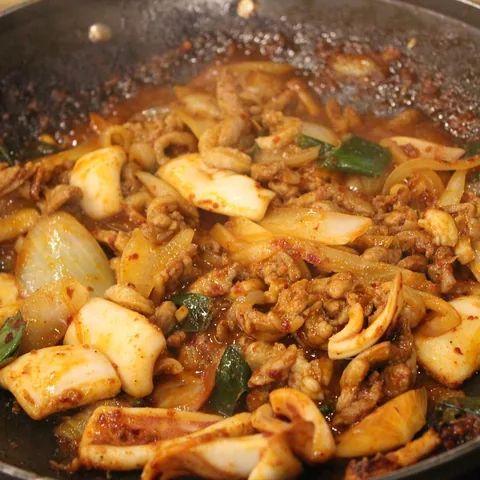
Kuurdak is one of the most everyday Kyrgyz dishes: chunks of mutton, sometimes with offal, fried in a deep kazan with onions until browned, then cooked further with potatoes. The meat is juicy and well seasoned, the potatoes soak up the fat and onion flavour. It is served hot with bread, tea and fresh vegetables.
Diets
Allergens
None of the 14 major allergens in a typical recipe.
What it is made of
Recipe
Ingredients
- 700 g mutton, cut into pieces
- 4 potatoes, cubed
- 2 onions, sliced
- 3 tbsp oil
- Salt, black pepper, cumin
Method
- Heat the oil in a kazan or heavy pot.
- Fry the mutton on high heat for 10 minutes until browned.
- Add the onions and fry for 5 minutes.
- Add the potatoes, season, and fry, stirring, for 5 minutes.
- Cover, lower the heat and cook for 25 minutes until tender.
How to make it lighter
- Choose leaner leg meat over fatty cuts.
- Swap half the potato for peppers or zucchini.
- Serve with a large salad instead of bread.
History
Kuurdak means fried in Kyrgyz and comes from the herding tradition of frying fresh meat right after slaughter. In the past it was also cooked in its own fat and stored for winter.
Count it in one photo
Point your camera at the table — Me Nutrition recognises Kuurdak (Kyrgyz fried mutton and potatoes) and every other dish, with calories and macros for each. Ate only half? Slide it.
Download on the App StoreSimilar dishes
Values are estimates per 100 g for a typical recipe; home and restaurant versions vary. Diets and allergens are worked out from the ingredients of a typical recipe — always check with whoever cooked the dish. Not medical advice. Nutrition data: Me Nutrition dish database v15. How we count →