
Lagidze waters (Georgian fruit sodas)
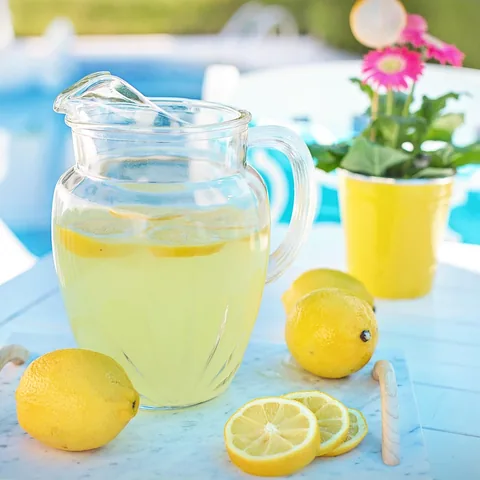
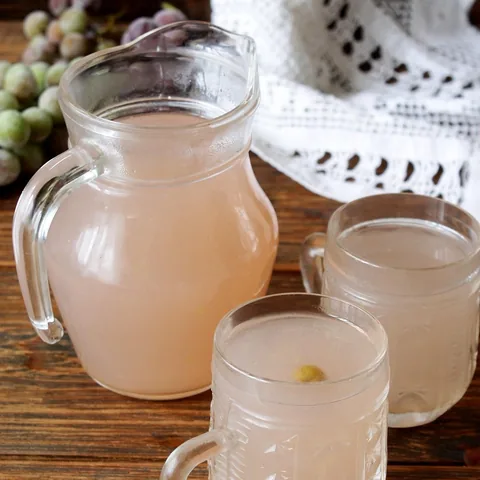
Lagidze waters are sodas made by pouring a measure of natural syrup into a glass and topping it with sparkling water. Flavours include cream-vanilla, pear, tarragon, lemon and chocolate, and the taste is sweet but fresh. They are traditionally drunk in Tbilisi cafés with hot khachapuri.
Diets
Allergens
None of the 14 major allergens in a typical recipe.
What it is made of
Recipe
Ingredients
- 300 g ripe pears or other fruit
- 150 g sugar
- 200 ml water
- Juice of ½ lemon
- 1 l chilled sparkling water
Method
- Chop the fruit and simmer with water for 10 minutes.
- Mash and strain, pressing to extract the juice.
- Return to the pan with sugar and simmer until syrupy, about 10 minutes.
- Add lemon juice and chill the syrup.
- Pour 40–50 ml syrup into each glass and top with sparkling water.
How to make it lighter
- Use 25 ml syrup per glass for a less sweet drink.
- Choose tart fruit syrups like lemon or quince so less sugar is needed.
- Enjoy as an occasional treat rather than an everyday drink.
History
The drinks are named after Mitrofan Lagidze, a Georgian entrepreneur who created his syrups in the early twentieth century and opened a famous water shop in Tbilisi. His waters won international recognition and remain a symbol of the city.
Count it in one photo
Point your camera at the table — Me Nutrition recognises Lagidze waters (Georgian fruit sodas) and every other dish, with calories and macros for each. Ate only half? Slide it.
Download on the App StoreSimilar dishes
Values are estimates per 100 g for a typical recipe; home and restaurant versions vary. Diets and allergens are worked out from the ingredients of a typical recipe — always check with whoever cooked the dish. Not medical advice. Nutrition data: Me Nutrition dish database v15. How we count →