
Lyutenitsa (Bulgarian pepper and tomato relish)
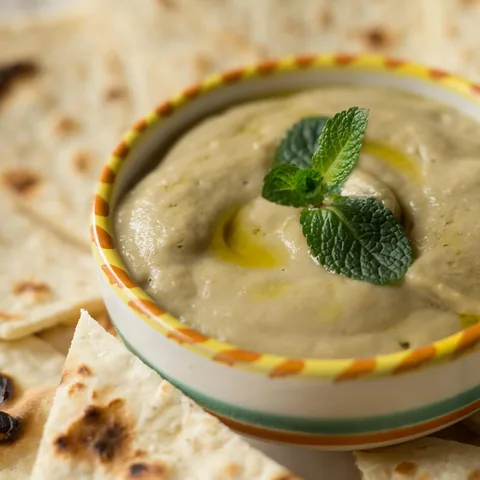
Lyutenitsa is a thick spread of roasted red peppers, tomatoes, sometimes eggplant, and garlic, cooked down with oil until jammy. It tastes sweet, smoky and gently spicy. It is spread on bread, served with cheese or grilled meat, and jarred in autumn for the winter.
Diets
Allergens
None of the 14 major allergens in a typical recipe.
What it is made of
Recipe
Ingredients
- 1 kg red peppers
- 500 g ripe tomatoes
- 300 g eggplant
- 4 cloves garlic
- 100 ml sunflower oil
- 1 tsp sugar
- 1 tsp salt
Method
- Roast the peppers and eggplant until the skin blackens, then peel.
- Grate or finely blend the tomatoes and vegetables.
- Cook the mixture in a wide pan, stirring often.
- Add oil gradually while it thickens, about 60-80 minutes.
- Stir in garlic, sugar and salt in the last 5 minutes.
- Spoon into sterilised jars or cool and refrigerate.
How to make it lighter
- Use less oil for a lighter spread.
- Serve as a topping on wholegrain toast instead of butter.
- Reduce salt if you eat it with cheese.
History
Preserving the late-summer harvest is a deep tradition in Bulgarian homes. Families make lyutenitsa together in September, roasting peppers outdoors and filling jars for the cold months.
Count it in one photo
Point your camera at the table — Me Nutrition recognises Lyutenitsa (Bulgarian pepper and tomato relish) and every other dish, with calories and macros for each. Ate only half? Slide it.
Download on the App StoreSimilar dishes
Values are estimates per 100 g for a typical recipe; home and restaurant versions vary. Diets and allergens are worked out from the ingredients of a typical recipe — always check with whoever cooked the dish. Not medical advice. Nutrition data: Me Nutrition dish database v15. How we count →