
Matambre a la pizza (pizza-topped flank)
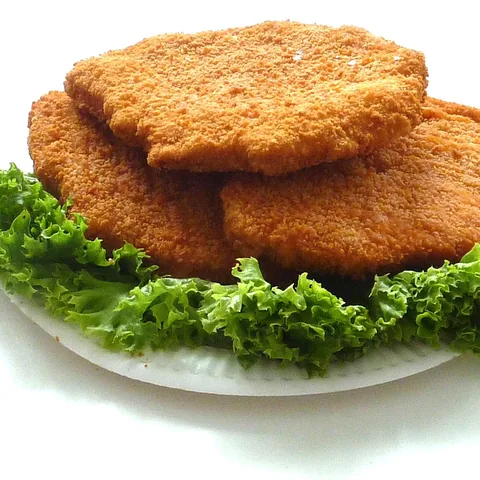
Matambre a la pizza takes the thin beef flank, softens it, grills it and then covers it with toppings borrowed from pizza. Tomato sauce, melted mozzarella, oregano and sometimes peppers, ham or olives sit on top of a large tender sheet of beef. It is cut into squares or wedges and shared at the table. Children in particular love it.
Diets
Allergens
Contains (in a typical recipe):
What it is made of
Recipe
Ingredients
- 1.5 kg beef flank (matambre)
- 1 l milk for simmering (optional)
- 250 ml tomato sauce
- 300 g mozzarella, sliced
- 1 red bell pepper, in strips
- 1 tsp dried oregano
- Salt
Method
- Trim the flank and simmer it in milk for about 1 hour to tenderise, or grill it slowly from the start.
- Drain, salt and grill over medium embers 15–20 minutes per side.
- With the better-looking side up, spread the tomato sauce over the meat.
- Lay on mozzarella and pepper strips, sprinkle with oregano, cover the grill and cook until the cheese melts.
- Cut into squares and serve hot.
How to make it lighter
- Use light mozzarella and a thin layer of it to cut fat.
- Add extra vegetables on top, such as tomato slices, mushrooms or onion.
- Simmer in water or broth instead of milk if you want fewer calories.
History
This dish is a playful meeting of the Argentine parrilla and the Italian pizza culture of Buenos Aires. Matambre is tough when grilled plainly, so cooks often first simmer it in milk to soften it.
Count it in one photo
Point your camera at the table — Me Nutrition recognises Matambre a la pizza (pizza-topped flank) and every other dish, with calories and macros for each. Ate only half? Slide it.
Download on the App StoreSimilar dishes
Values are estimates per 100 g for a typical recipe; home and restaurant versions vary. Diets and allergens are worked out from the ingredients of a typical recipe — always check with whoever cooked the dish. Not medical advice. Nutrition data: Me Nutrition dish database v15. How we count →