
Matambrito de cerdo (grilled pork flank)
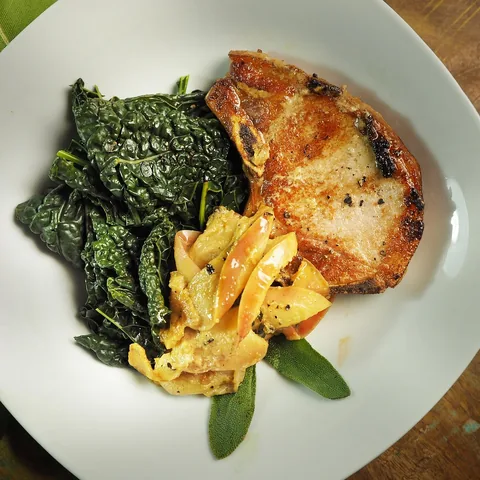
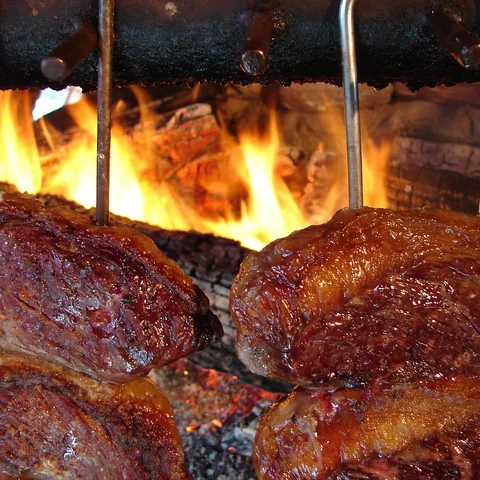
Matambrito is a thin, flat cut of pork that lies between the skin and the ribs. On the grill it cooks quickly and stays remarkably tender, with a thin layer of fat that crisps nicely. It is usually squeezed with lemon near the end, and some cooks add a little garlic or mustard. It is a popular and affordable addition to the asado.
Diets
Allergens
None of the 14 major allergens in a typical recipe.
What it is made of
Recipe
Ingredients
- 1 kg pork flank (matambrito)
- 2 lemons
- 2 garlic cloves, minced
- Coarse salt
Method
- Prepare medium embers.
- Salt the meat and lay it fat side down on the grill.
- Grill for 15–20 minutes until the fat is golden.
- Turn, squeeze over the lemon, sprinkle with garlic and grill 10 minutes more.
- Cut into strips and serve hot.
How to make it lighter
- Pork must be cooked through; check that the centre is no longer pink.
- Lemon adds flavour without calories, so be generous with it.
- Serve with a cabbage or carrot salad for crunch and fibre.
History
Pork has become increasingly common at Argentine asados in recent decades, and matambrito is one of its best-liked cuts. The name is a diminutive of matambre, the beef flank cut.
Count it in one photo
Point your camera at the table — Me Nutrition recognises Matambrito de cerdo (grilled pork flank) and every other dish, with calories and macros for each. Ate only half? Slide it.
Download on the App StoreSimilar dishes
Values are estimates per 100 g for a typical recipe; home and restaurant versions vary. Diets and allergens are worked out from the ingredients of a typical recipe — always check with whoever cooked the dish. Not medical advice. Nutrition data: Me Nutrition dish database v15. How we count →