
Mungunzá (hominy in coconut milk)
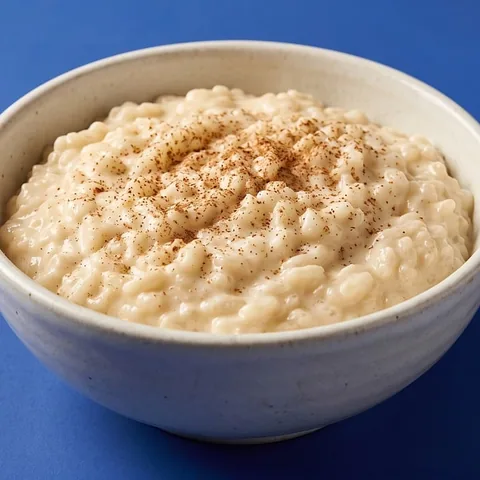
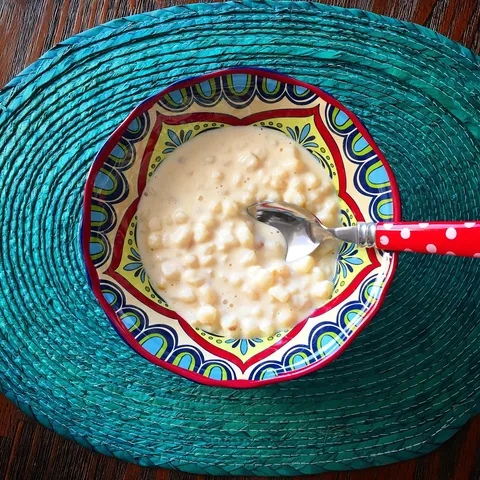
Mungunzá is a thick, sweet stew of white hominy kernels cooked slowly in coconut milk with sugar, cloves and cinnamon. The kernels stay pleasantly chewy in a fragrant, creamy liquid. It is eaten warm for breakfast or as an afternoon treat, and is a favourite during the June festivals in the Northeast.
Diets
Allergens
None of the 14 major allergens in a typical recipe.
What it is made of
Recipe
Ingredients
- 300 g dried white hominy, soaked overnight
- 400 ml coconut milk
- 500 ml water
- 130 g sugar
- 5 cloves
- 1 cinnamon stick
- 1 pinch salt
Method
- Drain the hominy and cook in fresh water until tender, about 1 hour.
- Drain and return to the pan with 500 ml water, cloves and cinnamon.
- Add sugar and salt and simmer for 15 minutes.
- Pour in the coconut milk and cook gently 15 minutes more, stirring, until creamy.
- Remove the cloves and cinnamon and serve warm.
How to make it lighter
- Use light coconut milk and less sugar; the spices carry the flavour.
- It is naturally vegan, unlike many Brazilian sweets.
- A small bowl is filling thanks to the fibre in the hominy.
History
The name comes from a Kimbundu word for cooked corn, reflecting African influence on Northeastern cooking. It is the Northeastern counterpart of the dish called canjica in the Southeast, and some cooks add peanuts or cow's milk.
Count it in one photo
Point your camera at the table — Me Nutrition recognises Mungunzá (hominy in coconut milk) and every other dish, with calories and macros for each. Ate only half? Slide it.
Download on the App StoreSimilar dishes
Values are estimates per 100 g for a typical recipe; home and restaurant versions vary. Diets and allergens are worked out from the ingredients of a typical recipe — always check with whoever cooked the dish. Not medical advice. Nutrition data: Me Nutrition dish database v15. How we count →