
Pan de mallorca (Puerto Rican sweet coiled bun)
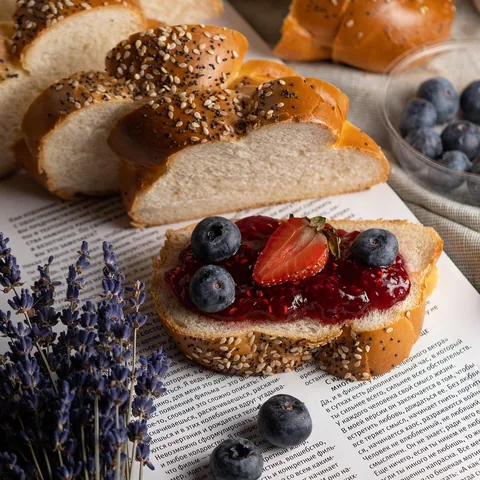
Pan de mallorca is a soft, eggy, buttery coiled bun made from enriched dough and baked until golden, then thickly dusted with powdered sugar. It tastes lightly sweet and rich with a fluffy crumb. Puerto Ricans eat it for breakfast, often split and toasted with butter or filled with ham and cheese, alongside coffee.
Diets
Allergens
Contains (in a typical recipe):
What it is made of
Recipe
Ingredients
- 500 g wheat flour
- 200 ml warm milk
- 7 g dry yeast
- 80 g sugar
- 3 eggs
- 100 g butter
- 1 pinch salt
- powdered sugar for dusting
Method
- Mix yeast with warm milk and a spoon of sugar and let it foam.
- Combine flour, sugar, salt, eggs and the yeast mixture and knead, then work in the soft butter until smooth.
- Let rise in a covered bowl for 1.5 hours.
- Divide into portions, roll each into a long rope and coil into a spiral.
- Let rise again for 45 minutes, then bake at 180 C for 15-18 minutes until golden.
- Cool slightly and dust generously with powdered sugar.
How to make it lighter
- Use half whole-wheat flour and less butter.
- Dust lightly with sugar.
- Fill with ham and cheese for a more balanced breakfast.
History
The bun takes its name from the Spanish island of Mallorca, where the similar ensaimada comes from, and was brought to Puerto Rico by Spanish bakers. It became a local breakfast icon with its own island character.
Count it in one photo
Point your camera at the table — Me Nutrition recognises Pan de mallorca (Puerto Rican sweet coiled bun) and every other dish, with calories and macros for each. Ate only half? Slide it.
Download on the App StoreSimilar dishes
Values are estimates per 100 g for a typical recipe; home and restaurant versions vary. Diets and allergens are worked out from the ingredients of a typical recipe — always check with whoever cooked the dish. Not medical advice. Nutrition data: Me Nutrition dish database v15. How we count →