
Russian mushroom soup (gribnoy sup)
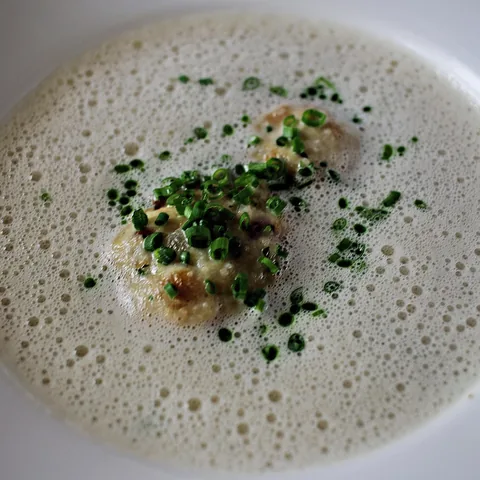
Gribnoy sup is a light, fragrant soup built on forest mushrooms such as porcini, boletes or chanterelles. The broth stays clear and earthy, with soft potato pieces, a little onion and carrot. A spoonful of sour cream and fresh dill are stirred in at the table.
Diets
Allergens
Contains (in a typical recipe):
What it is made of
Recipe
Ingredients
- 400 g fresh forest mushrooms (or 50 g dried)
- 4 potatoes (450 g)
- 1 onion (100 g)
- 1 carrot (100 g)
- 1 tbsp butter
- 2 l water
- 4 tbsp sour cream
- salt, pepper, bay leaf, dill
Method
- Clean and slice the mushrooms; if dried, soak them for 30 minutes and keep the liquid.
- Cover the mushrooms with water, bring to a boil and simmer for 20 minutes.
- Add diced potatoes and cook for 15 minutes.
- Soften the chopped onion and grated carrot in butter and add to the pot.
- Season, add a bay leaf and simmer 5 minutes more.
- Rest the soup for 10 minutes, then serve with sour cream and dill.
How to make it lighter
- Use low-fat sour cream or plain yogurt as the topping.
- Cook the onion and carrot in a splash of broth instead of butter.
- A handful of pearl barley makes it more filling without adding fat.
History
Mushroom picking is a beloved late-summer pastime in Russia, and families dry or freeze their harvest for the winter. Mushroom soup was also a classic dish for the many fasting days of the Orthodox calendar, when it was served without sour cream.
Count it in one photo
Point your camera at the table — Me Nutrition recognises Russian mushroom soup (gribnoy sup) and every other dish, with calories and macros for each. Ate only half? Slide it.
Download on the App StoreSimilar dishes
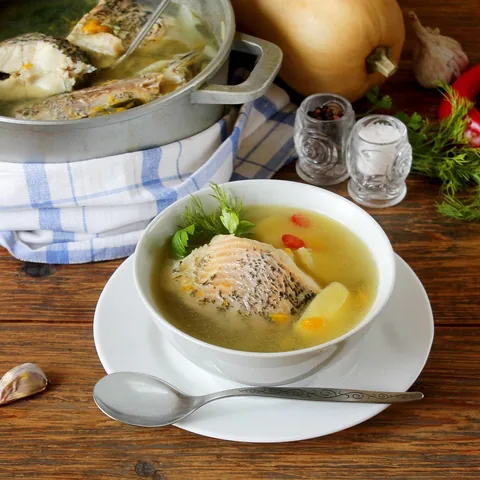
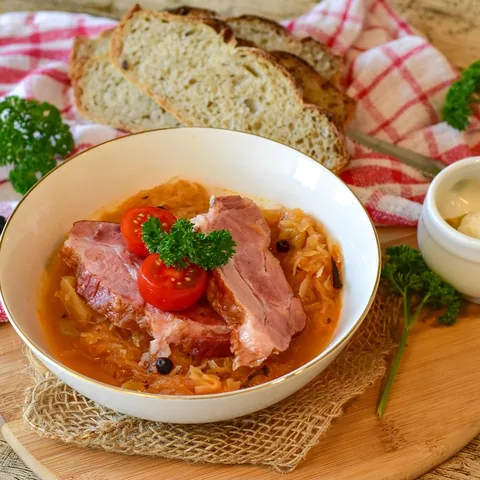
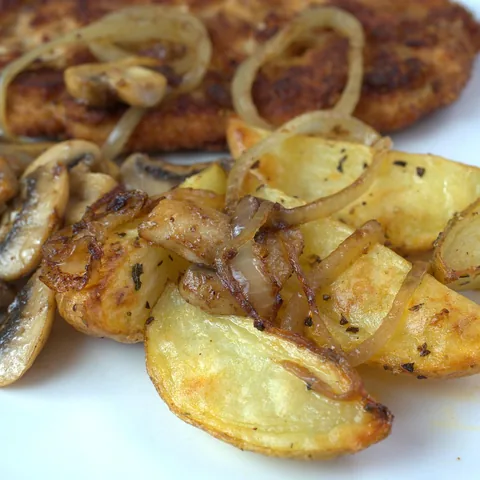

Values are estimates per 100 g for a typical recipe; home and restaurant versions vary. Diets and allergens are worked out from the ingredients of a typical recipe — always check with whoever cooked the dish. Not medical advice. Nutrition data: Me Nutrition dish database v15. How we count →