
Pearl barley porridge (perlovaya kasha)
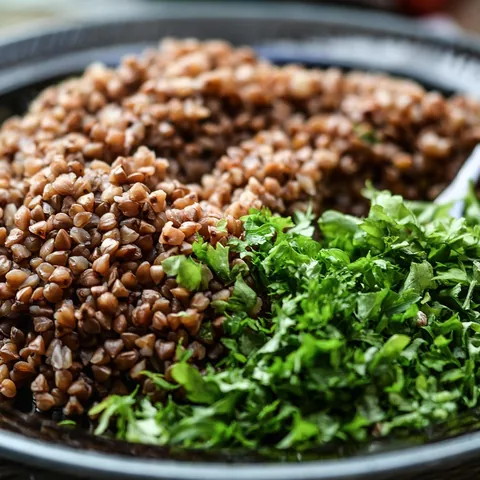
Perlovaya kasha is a simple porridge of pearl barley cooked until the grains are plump, tender and pleasantly chewy. It has a mild, slightly nutty taste and is usually dressed with butter and fried onion. It is eaten as a side dish with meat, mushrooms or gravy, or mixed with stewed beef.
Diets
Allergens
Contains (in a typical recipe):
What it is made of
Recipe
Ingredients
- 250 g pearl barley
- 1 l water
- 30 g butter
- 1 onion (100 g)
- salt
Method
- Rinse the barley and soak it in cold water for 3-4 hours or overnight.
- Drain, cover with fresh water, add salt and bring to a boil.
- Cook on low heat for 40-50 minutes until tender, adding water if needed.
- Meanwhile, fry the chopped onion in half of the butter until golden.
- Drain any excess liquid, stir in the onion and the rest of the butter.
- Cover and leave for 10 minutes before serving.
How to make it lighter
- Use a little olive oil instead of butter.
- Mix in sautéed mushrooms and greens to make it a light main dish.
- Its fibre keeps you full for long, so a moderate portion is enough.
History
Pearl barley has long been a cheap and filling grain in Russia and was a staple of army and canteen food in the Soviet period. It is said that Peter the Great was fond of barley porridge, though home cooks value it mostly for its low price.
Count it in one photo
Point your camera at the table — Me Nutrition recognises Pearl barley porridge (perlovaya kasha) and every other dish, with calories and macros for each. Ate only half? Slide it.
Download on the App StoreSimilar dishes

Values are estimates per 100 g for a typical recipe; home and restaurant versions vary. Diets and allergens are worked out from the ingredients of a typical recipe — always check with whoever cooked the dish. Not medical advice. Nutrition data: Me Nutrition dish database v15. How we count →