
Supu ya ndizi (Tanzanian green banana soup)
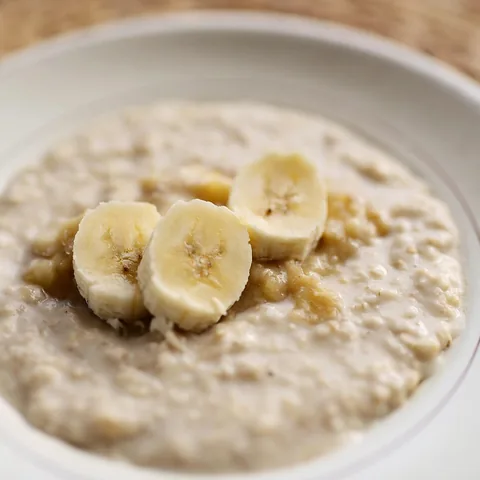
Supu ya ndizi is a thick soup in which unripe cooking bananas are simmered with beef or bones, onion, garlic, tomato and carrot until they almost melt into the broth. The taste is mild and comforting with a gentle starchiness. It is typically served as a family meal in the highlands of Tanzania, sometimes with a squeeze of lemon or a little chilli.
Diets
Allergens
None of the 14 major allergens in a typical recipe.
What it is made of
Recipe
Ingredients
- 6 green bananas, peeled and cubed
- 300 g beef with bones
- 1 onion
- 2 garlic cloves
- 1 tomato
- 1 carrot
- 1.5 litres water
- salt, pepper
Method
- Simmer the meat in water for 30 minutes and skim the surface.
- Add onion, garlic, tomato and carrot.
- Add the banana cubes.
- Cook 20 minutes until the bananas are very soft.
- Mash some of them to thicken the soup and season.
How to make it lighter
- Peel bananas with oiled hands to avoid staining.
- Use lean meat and skim off fat for a lighter soup.
- Add spinach at the end for extra vitamins.
History
Cooking bananas are a staple crop in the Kilimanjaro and Kagera regions, so soups and stews made from them are common home dishes. This soup is also a traditional food for people recovering from illness.
Count it in one photo
Point your camera at the table — Me Nutrition recognises Supu ya ndizi (Tanzanian green banana soup) and every other dish, with calories and macros for each. Ate only half? Slide it.
Download on the App StoreSimilar dishes

Values are estimates per 100 g for a typical recipe; home and restaurant versions vary. Diets and allergens are worked out from the ingredients of a typical recipe — always check with whoever cooked the dish. Not medical advice. Nutrition data: Me Nutrition dish database v15. How we count →