
Shir chai (Tajik salted milk tea)
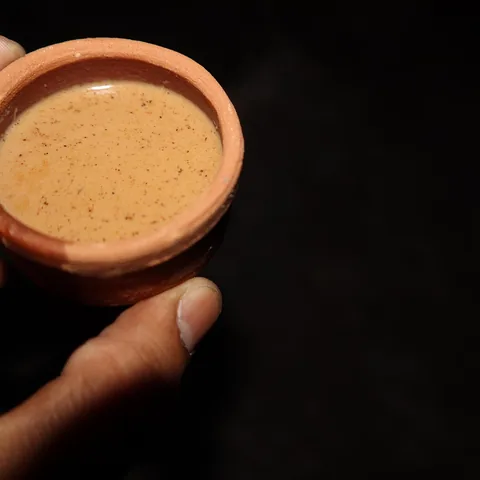
Shir chai, or shirchoy, is a rich Tajik breakfast drink of black or green tea boiled with milk, then enriched with butter and seasoned with salt. It is served in wide bowls, and pieces of flatbread are often broken into it so it becomes almost a light meal. The taste is creamy, warming and gently salty rather than sweet. It is especially popular in the mountains on cold mornings.
Diets
Allergens
Contains (in a typical recipe):
What it is made of
Recipe
Ingredients
- 1 l milk
- 300 ml water
- 2 tbsp black tea leaves
- 30 g butter
- 1/2 tsp salt
- flatbread to serve
Method
- Bring the water to a boil and add the tea leaves.
- Pour in the milk and simmer for 5 minutes, ladling it up and down to aerate.
- Season with salt and strain into a clean pot.
- Add the butter and stir until melted.
- Serve in bowls with pieces of flatbread to dip or soak.
How to make it lighter
- Use semi-skimmed milk and half the butter for a lighter bowl.
- Go easy on the salt if you are watching your blood pressure.
- Pair with wholemeal bread for a more filling breakfast.
History
Milk tea with salt and butter is common across the Pamirs and the wider Central Asian highlands, where it provides warmth and energy. In Tajikistan it is a typical way to start the day. Some families add a spoon of kaymak or sprinkle black pepper on top.
Count it in one photo
Point your camera at the table — Me Nutrition recognises Shir chai (Tajik salted milk tea) and every other dish, with calories and macros for each. Ate only half? Slide it.
Download on the App StoreSimilar dishes

Values are estimates per 100 g for a typical recipe; home and restaurant versions vary. Diets and allergens are worked out from the ingredients of a typical recipe — always check with whoever cooked the dish. Not medical advice. Nutrition data: Me Nutrition dish database v15. How we count →