
Halushky (Ukrainian dumplings)
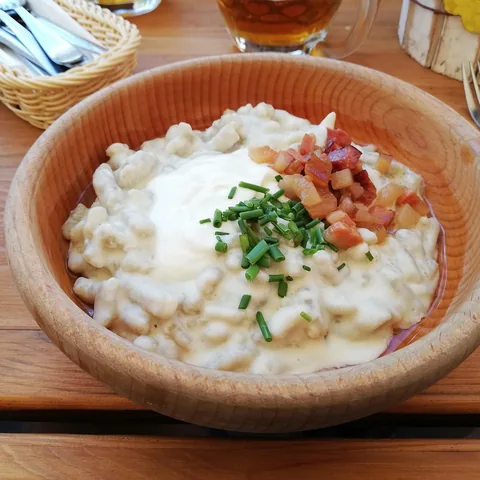
Halushky are rustic dumplings made from a soft egg dough that is pinched or cut into small pieces and dropped into boiling water. They come out chewy and pillowy, and are tossed in butter with onion fried until sweet and golden. A spoon of sour cream on top completes this simple, comforting plate.
Diets
Allergens
Contains (in a typical recipe):
What it is made of
Recipe
Ingredients
- 400 g flour
- 2 eggs
- 180 ml water or milk
- 2 onions (250 g)
- 30 g butter
- 150 g sour cream, salt
Method
- Mix flour, eggs, water and a pinch of salt into a soft, slightly sticky dough; rest 20 minutes.
- Roll the dough into a rope 1.5 cm thick and cut or pinch off small pieces.
- Slice the onions and fry them slowly in butter until golden.
- Drop the dumplings into salted boiling water in batches.
- Cook 3–4 minutes after they float, then lift out with a slotted spoon.
- Toss with the onion and serve with sour cream.
How to make it lighter
- Use part wholemeal flour for more fibre.
- Serve with a big salad or stewed cabbage to make a balanced meal.
- Swap sour cream for yogurt with dill.
History
Halushky are particularly linked with the Poltava region, where a monument to them even stands in the city. Similar small dumplings are known across Central and Eastern Europe under related names.
Count it in one photo
Point your camera at the table — Me Nutrition recognises Halushky (Ukrainian dumplings) and every other dish, with calories and macros for each. Ate only half? Slide it.
Download on the App StoreSimilar dishes
Values are estimates per 100 g for a typical recipe; home and restaurant versions vary. Diets and allergens are worked out from the ingredients of a typical recipe — always check with whoever cooked the dish. Not medical advice. Nutrition data: Me Nutrition dish database v15. How we count →