
Bizcochos (Uruguayan pastries)
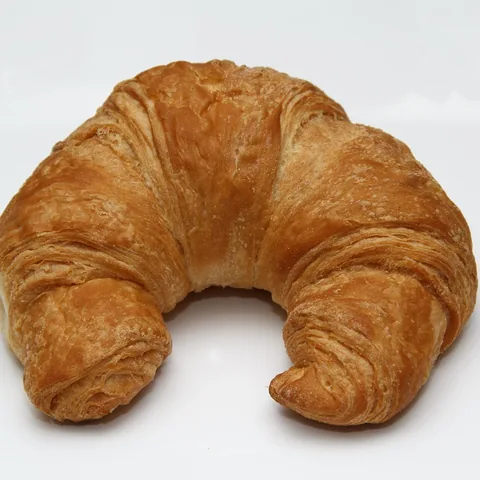
In Uruguay, bizcochos are not sponge cakes but a whole family of small bakery pastries bought by weight in a paper bag. The mix usually includes flaky croissants, horn-shaped cuernitos, savoury lard bizcochos called de grasa, and sweet pieces filled with quince paste, dulce de leche or pastry cream. They are shared at home or at work in the afternoon, always with a gourd of mate.
Diets
Allergens
Contains (in a typical recipe):
What it is made of
Recipe
Ingredients
- 500 g flour
- 250 ml water
- 15 g fresh yeast
- 10 g salt, 30 g sugar
- 150 g lard or butter for laminating
- Fillings: 100 g quince paste, 100 g dulce de leche
- 1 egg for brushing
Method
- Mix flour, water, yeast, salt and sugar into a smooth dough and rest 20 minutes.
- Roll out, spread the soft fat over two thirds and fold in three.
- Repeat the roll-and-fold twice more, resting between turns.
- Roll to 5 mm and cut into squares, triangles and strips.
- Fill some with quince paste or dulce de leche, shape into horns, rolls and pockets.
- Rise for 40 minutes, brush with egg and bake at 200 °C for 15–18 minutes.
How to make it lighter
- Choose the plain de grasa pieces, which have no sugar.
- Limit yourself to two pieces and drink mate without sugar.
- Make a batch with half butter and half oil for less saturated fat.
History
The tradition grew from European, especially Spanish and Italian, baking brought by immigrants to Montevideo. Bakeries became neighbourhood institutions, and a bag of bizcochos on a rainy afternoon or during a long shared mate is a typical Uruguayan custom.
Count it in one photo
Point your camera at the table — Me Nutrition recognises Bizcochos (Uruguayan pastries) and every other dish, with calories and macros for each. Ate only half? Slide it.
Download on the App StoreSimilar dishes
Values are estimates per 100 g for a typical recipe; home and restaurant versions vary. Diets and allergens are worked out from the ingredients of a typical recipe — always check with whoever cooked the dish. Not medical advice. Nutrition data: Me Nutrition dish database v15. How we count →