
Flan with dulce de leche
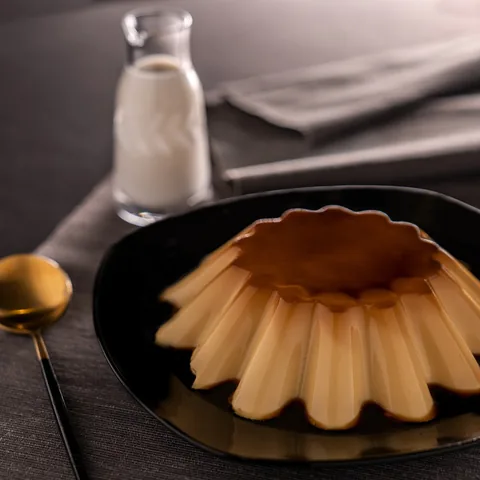
Flan is a smooth custard of eggs, milk and sugar baked over a layer of liquid caramel. In Argentina it almost always comes with a dollop of dulce de leche, and often whipped cream too, a combination ordered as 'flan mixto'. The custard is cool and wobbly, the caramel slightly bitter and the dulce de leche thick and milky. It is one of the most common desserts in Argentine homes and grills.
Diets
Allergens
Contains (in a typical recipe):
What it is made of
Recipe
Ingredients
- 150 g sugar for the caramel
- 5 eggs
- 750 ml whole milk
- 120 g sugar
- 1 tsp vanilla extract
- 250 g dulce de leche to serve
Method
- Melt 150 g sugar in a pan until amber and pour it into a ring mould.
- Whisk eggs with 120 g sugar and vanilla, then stir in the warm milk without making foam.
- Strain the mixture into the caramelised mould.
- Bake in a water bath at 160 °C for about 60 minutes until just set.
- Cool, chill at least 4 hours, unmould and serve with dulce de leche.
How to make it lighter
- Use semi-skimmed milk; the custard still sets well.
- Serve a teaspoon of dulce de leche instead of a big scoop and skip the cream.
- Cut small slices: a 100 g portion is enough to finish a meal.
History
The custard came to the Río de la Plata with Spanish settlers. Argentines made it their own by pairing it with dulce de leche, the caramelised milk spread found in every kitchen there.
Count it in one photo
Point your camera at the table — Me Nutrition recognises Flan with dulce de leche and every other dish, with calories and macros for each. Ate only half? Slide it.
Download on the App StoreSimilar dishes


Values are estimates per 100 g for a typical recipe; home and restaurant versions vary. Diets and allergens are worked out from the ingredients of a typical recipe — always check with whoever cooked the dish. Not medical advice. Nutrition data: Me Nutrition dish database v15. How we count →