
Kufta (Armenian pounded beef)
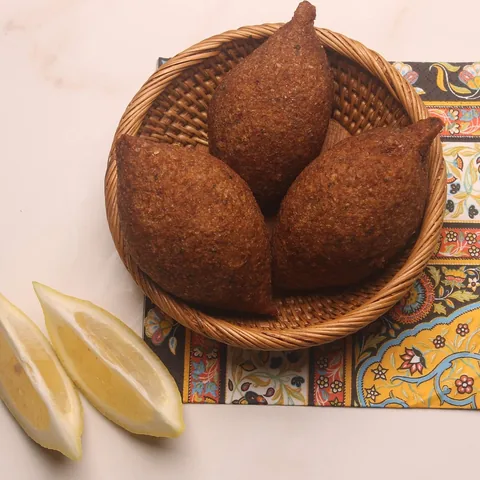
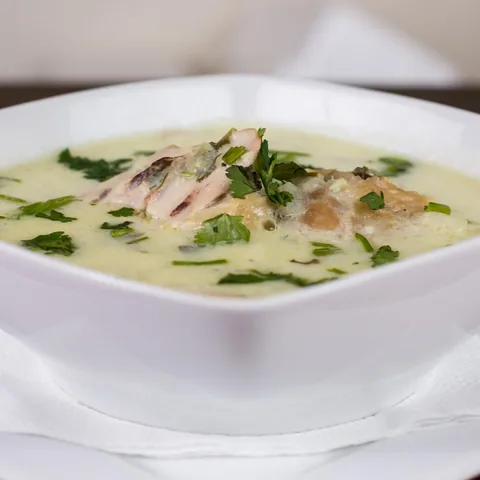
Armenian kufta, sometimes called Yerevan kufta, is made from lean beef beaten with a heavy wooden mallet until it becomes an almost silky paste. Mixed with onion and egg, it is shaped into large balls, poached, then sliced and served drizzled with melted butter. The texture is delicate and springy, quite unlike ordinary meatballs.
Diets
Allergens
Contains (in a typical recipe):
What it is made of
Recipe
Ingredients
- 800 g lean beef, sinew removed
- 1 onion, grated and squeezed
- 1 egg
- 1 tsp salt
- 1/2 tsp black pepper
- 40 g butter, melted
Method
- Cut the beef into pieces and pound it (or process it in batches) into a very fine paste.
- Add the onion juice and pulp, egg, salt and pepper and beat until light and smooth.
- With wet hands shape 4 large balls.
- Lower them into barely simmering salted water and poach for 30-40 minutes.
- Lift out, let rest a few minutes and cut into thick slices.
- Serve with melted butter poured over and fresh herbs.
How to make it lighter
- Cut the butter in half or swap it for a spoon of olive oil.
- Serve with a large herb and vegetable salad.
- Leftover slices are good cold in a sandwich instead of processed meat.
History
Pounding meat by hand on a flat stone or board is an old Armenian technique, and making kufta was a serious task for festive tables. Today many cooks use a food processor to get a similar smooth paste.
Count it in one photo
Point your camera at the table — Me Nutrition recognises Kufta (Armenian pounded beef) and every other dish, with calories and macros for each. Ate only half? Slide it.
Download on the App StoreSimilar dishes
Values are estimates per 100 g for a typical recipe; home and restaurant versions vary. Diets and allergens are worked out from the ingredients of a typical recipe — always check with whoever cooked the dish. Not medical advice. Nutrition data: Me Nutrition dish database v15. How we count →