
Badimjan chighirtma (eggplant with eggs)
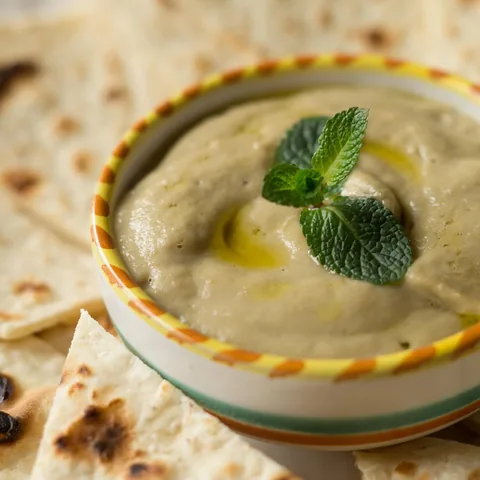
Badimjan chighirtma is a vegetarian version of chighirtma, a family of Azerbaijani dishes finished with eggs. Diced eggplant is fried with onion until silky, then cooked down with tomatoes and garlic. Eggs are broken over the top and cooked until just set. It is eaten for breakfast or supper with bread and herbs.
Diets
Allergens
Contains (in a typical recipe):
What it is made of
Recipe
Ingredients
- 3 medium eggplants
- 2 onions
- 4 tomatoes
- 2 garlic cloves
- 4 eggs
- 30 g butter or 2 tbsp oil
- salt, pepper, fresh cilantro
Method
- Dice the eggplants, salt them for 15 minutes and squeeze dry.
- Fry the onion in the butter until soft, then add the eggplant and cook until tender.
- Add the peeled, chopped tomatoes and garlic and simmer 10 minutes.
- Make hollows and break the eggs into them, or beat the eggs and pour them over.
- Cover and cook until the eggs are set, then sprinkle with herbs.
How to make it lighter
- Roast the eggplant in the oven first to use much less fat.
- Use one whole egg and two whites for a lighter dish.
- Serve with wholegrain bread.
History
Chighirtma refers to dishes in which vegetables or meat are cooked and then bound with eggs. Eggplant and tomato are summer staples in Azerbaijan, so this version is especially common in the warm season.
Count it in one photo
Point your camera at the table — Me Nutrition recognises Badimjan chighirtma (eggplant with eggs) and every other dish, with calories and macros for each. Ate only half? Slide it.
Download on the App StoreSimilar dishes


Values are estimates per 100 g for a typical recipe; home and restaurant versions vary. Diets and allergens are worked out from the ingredients of a typical recipe — always check with whoever cooked the dish. Not medical advice. Nutrition data: Me Nutrition dish database v15. How we count →