
Ganja kuku (Azerbaijani herb frittata)
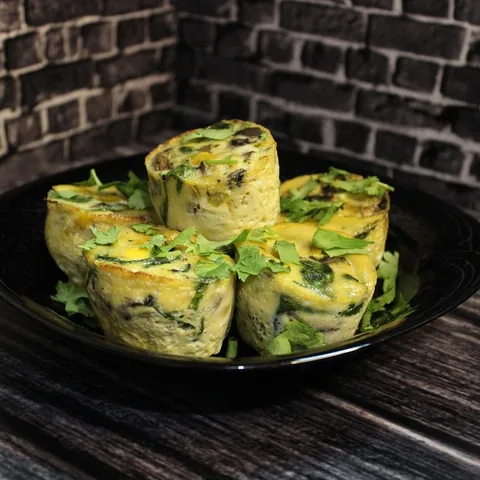
Ganja kuku is a thick egg dish that is mostly greens held together by eggs. Cilantro, dill, parsley and spring onion give it a fresh, slightly bitter flavour, while butter and chopped walnuts make it rich. It is cut into wedges and eaten warm or cold with yogurt and bread.
Diets
Allergens
Contains (in a typical recipe):
What it is made of
Recipe
Ingredients
- 6 eggs
- 150 g mixed cilantro, dill and parsley
- 80 g spring onions
- 30 g walnuts
- 30 g butter
- Salt, pepper, a pinch of turmeric
Method
- Wash and dry the herbs well, then chop them finely with the spring onions.
- Beat the eggs with salt, pepper and turmeric.
- Stir in the herbs and the roughly chopped walnuts; the mixture should be very green.
- Melt the butter in an ovenproof pan and pour in the mixture.
- Cook on low heat for 5 minutes, then bake at 180 °C for 20 minutes until set.
- Cool slightly, cut into wedges and serve with yogurt.
How to make it lighter
- Replace two whole eggs with egg whites to lower fat and cholesterol.
- Use a non-stick pan and a teaspoon of oil instead of butter.
- Serve with plain yogurt and salad for a light high-protein lunch.
History
Kuku is shared across Azerbaijan and Iran, and many towns have their own way of making it. The Ganja style is known as a generous, herb-heavy version, often cooked for spring and Novruz tables.
Count it in one photo
Point your camera at the table — Me Nutrition recognises Ganja kuku (Azerbaijani herb frittata) and every other dish, with calories and macros for each. Ate only half? Slide it.
Download on the App StoreSimilar dishes
Values are estimates per 100 g for a typical recipe; home and restaurant versions vary. Diets and allergens are worked out from the ingredients of a typical recipe — always check with whoever cooked the dish. Not medical advice. Nutrition data: Me Nutrition dish database v15. How we count →