
Sherbet (Azerbaijani herb and lemon drink)
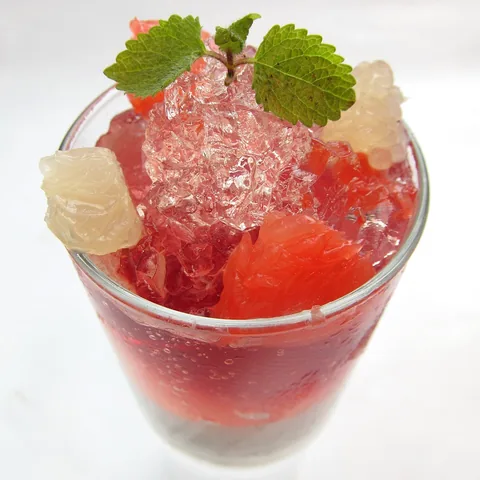
Azerbaijani sherbet is a cold, sweet drink made by infusing herbs or fruit in sugar syrup and diluting it with water. The most common versions use purple basil (reyhan), mint or lemon, giving a bright, floral taste. It is served in jugs at weddings, holidays and especially during Novruz and Ramadan evenings.
Diets
Allergens
None of the 14 major allergens in a typical recipe.
What it is made of
Recipe
Ingredients
- 150 g sugar
- 1.2 l water
- 1 lemon
- 30 g purple basil
- 10 g fresh mint
- ice
Method
- Boil 300 ml water with the sugar until dissolved.
- Remove from heat, add basil and mint, cover and steep for 15 minutes.
- Strain the syrup and let it cool completely.
- Stir in the juice of the lemon and the remaining cold water.
- Chill well and serve over ice with lemon slices.
How to make it lighter
- Halve the sugar and add more lemon for a lighter drink.
- Use sparkling water instead of still for a refreshing fizz.
- Keep the concentrated syrup in the fridge and dilute per glass to control sweetness.
History
Sweet sherbets have long been part of the hospitality culture of the Caucasus and Iran, where they were the festive alternative to alcohol. In Azerbaijan they remain a fixture of wedding tables and family celebrations.
Count it in one photo
Point your camera at the table — Me Nutrition recognises Sherbet (Azerbaijani herb and lemon drink) and every other dish, with calories and macros for each. Ate only half? Slide it.
Download on the App StoreSimilar dishes
Values are estimates per 100 g for a typical recipe; home and restaurant versions vary. Diets and allergens are worked out from the ingredients of a typical recipe — always check with whoever cooked the dish. Not medical advice. Nutrition data: Me Nutrition dish database v15. How we count →