
Behari kebab (papaya-tenderized beef skewers)
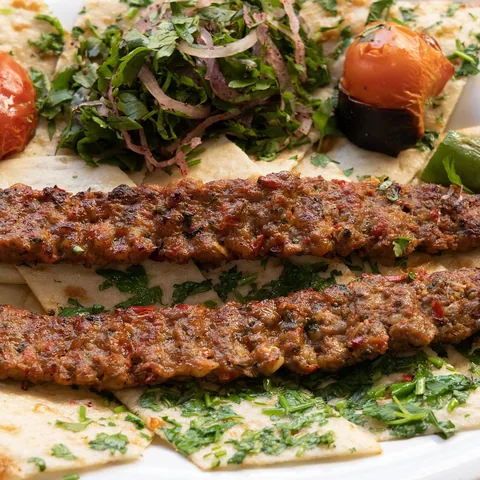
Behari kebab is made of thin strips of beef marinated with raw papaya paste, yogurt, fried onion, garlic and a sharp spice mix, then threaded onto skewers and grilled over charcoal. The papaya makes the meat extremely soft, while the mustard oil and chilli add a pungent kick. It is eaten with paratha or naan and sliced onion.
Diets
Allergens
Contains (in a typical recipe):
What it is made of
Recipe
Ingredients
- 600 g beef, thinly sliced
- 60 g raw papaya paste
- 100 g yogurt
- 60 g fried onion, crushed
- 30 g ginger-garlic paste
- 2 tbsp mustard oil (30 ml)
- 2 tsp chilli, 1 tsp cumin, 1 tsp coriander, salt
Method
- Pound the beef thin and mix with papaya paste; rest 30 minutes.
- Add yogurt, onion, paste, oil and spices and marinate 6 hours.
- Thread onto flat skewers.
- Grill over hot coals for 8-10 minutes, turning and basting.
- Serve with sliced onion, lemon and paratha.
How to make it lighter
- Use lean beef and brush with little oil.
- Serve with raw vegetables.
- Do not marinate longer than 8 hours so the meat does not turn mushy.
History
Behari kebab is associated with the Bihari community and became a Karachi barbecue staple after migration to the city. It is also popular at street stalls across Pakistan.
Count it in one photo
Point your camera at the table — Me Nutrition recognises Behari kebab (papaya-tenderized beef skewers) and every other dish, with calories and macros for each. Ate only half? Slide it.
Download on the App StoreSimilar dishes




Values are estimates per 100 g for a typical recipe; home and restaurant versions vary. Diets and allergens are worked out from the ingredients of a typical recipe — always check with whoever cooked the dish. Not medical advice. Nutrition data: Me Nutrition dish database v15. How we count →