
Kulaga (berry and rye pudding)
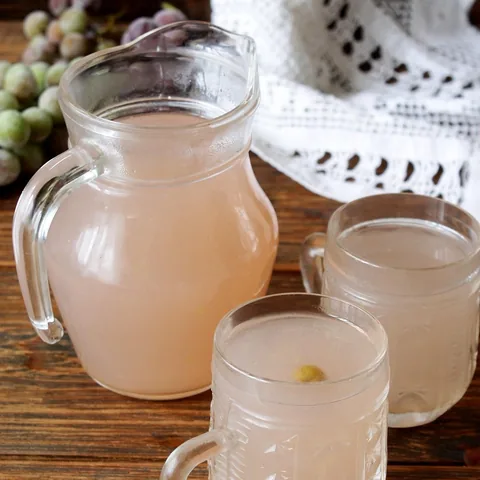
Kulaga is an old Belarusian sweet made by cooking bilberries, viburnum or other forest berries with rye flour or malt and sweetening it with honey. The result is a thick, glossy, deep-purple pudding with a gentle sourness from the berries and an earthy note from the rye. It is eaten warm or cold with a spoon, sometimes spread on bread.
Diets
Allergens
Contains (in a typical recipe):
What it is made of
Recipe
Ingredients
- 500 g bilberries or mixed berries
- 60 g rye flour
- 600 ml water
- 60 g honey
- Pinch of salt
Method
- Bring the berries and 500 ml of water to a boil and simmer for 5 minutes.
- Whisk the rye flour with 100 ml of cold water until smooth.
- Pour the flour mixture into the berries in a thin stream, stirring constantly.
- Cook on low heat for 10-15 minutes, stirring, until thick.
- Remove from the heat, let cool slightly and stir in the honey.
- Serve warm or chilled.
How to make it lighter
- Reduce the honey and let ripe berries do the sweetening.
- Serve with plain yogurt for extra protein.
- Use frozen berries out of season; they work just as well.
History
Kulaga is one of the traditional dishes mentioned in descriptions of old Belarusian cuisine and is linked to the abundance of wild berries in the forests. It was historically made with fermented rye dough, which gave it a light natural sweetness, and it is now mostly a heritage recipe.
Count it in one photo
Point your camera at the table — Me Nutrition recognises Kulaga (berry and rye pudding) and every other dish, with calories and macros for each. Ate only half? Slide it.
Download on the App StoreSimilar dishes
Values are estimates per 100 g for a typical recipe; home and restaurant versions vary. Diets and allergens are worked out from the ingredients of a typical recipe — always check with whoever cooked the dish. Not medical advice. Nutrition data: Me Nutrition dish database v15. How we count →