
Zharkoe (pork and potatoes in a pot)
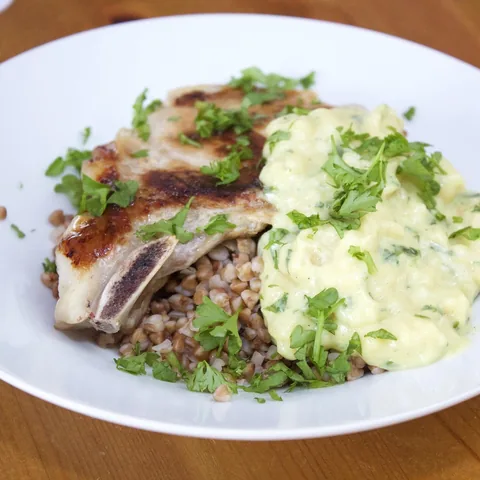
Zharkoe u garshku is a Belarusian pot roast in which browned pork, potatoes, mushrooms and onion are layered in clay pots and baked slowly. The vegetables soak up the meat juices and the mushrooms add an earthy depth. It is served right in the pot, often topped with dill and sour cream.
Diets
Allergens
Contains (in a typical recipe):
What it is made of
Recipe
Ingredients
- 500 g pork shoulder
- 800 g potatoes
- 250 g mushrooms
- 1 onion (80 g)
- 1 carrot (75 g)
- 100 g sour cream
- 300 ml stock
- 1 bay leaf, salt, pepper, dill
Method
- Cut the pork into cubes and brown quickly in a pan; season.
- Fry the onion, carrot and sliced mushrooms until soft.
- Layer meat, vegetables and cubed potatoes in 4 clay pots or one casserole.
- Mix the stock with sour cream, pour over, add the bay leaf and cover.
- Bake at 180 °C for about 1 hour; sprinkle with dill before serving.
How to make it lighter
- Use lean pork loin and trim the fat.
- Replace part of the potatoes with more mushrooms and carrots.
- Use light sour cream or skip it and add more herbs.
History
Cooking in clay pots in the traditional wood-fired stove was common in Belarusian villages, where food was left to slowly stew for hours. Forest mushrooms, gathered widely in Belarus, are a typical addition.
Count it in one photo
Point your camera at the table — Me Nutrition recognises Zharkoe (pork and potatoes in a pot) and every other dish, with calories and macros for each. Ate only half? Slide it.
Download on the App StoreSimilar dishes
Values are estimates per 100 g for a typical recipe; home and restaurant versions vary. Diets and allergens are worked out from the ingredients of a typical recipe — always check with whoever cooked the dish. Not medical advice. Nutrition data: Me Nutrition dish database v15. How we count →