
Galubtsy (stuffed cabbage rolls)
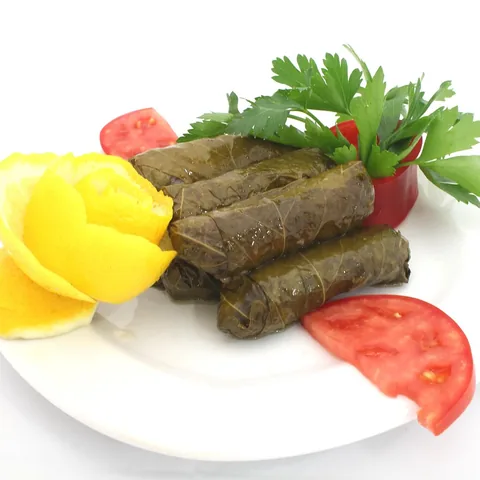
Galubtsy are soft cabbage leaves rolled around a filling of minced pork, rice and fried onion. They are stewed slowly in a sauce of tomato, carrot and sour cream until the cabbage is silky. They are served hot with the sauce and an extra spoon of sour cream.
Diets
Allergens
Contains (in a typical recipe):
What it is made of
Recipe
Ingredients
- 1 white cabbage (about 1.5 kg)
- 500 g minced pork
- 120 g rice
- 1 onion (80 g)
- 1 carrot (75 g)
- 300 g tomato passata
- 150 g sour cream
- salt, pepper, bay leaf
Method
- Blanch the whole cabbage and separate 12–14 soft leaves; trim the thick ribs.
- Par-boil the rice and mix with the mince, half the fried onion, salt and pepper.
- Place filling on each leaf and roll into neat parcels.
- Fry the remaining onion with grated carrot, add tomato, sour cream and 300 ml water.
- Lay the rolls in a pot, pour over the sauce and stew covered for 50–60 minutes.
How to make it lighter
- Use lean mince or half mince and half mushrooms.
- Use brown rice or buckwheat for more fibre.
- Make the sauce with yogurt instead of sour cream.
History
Stuffed cabbage rolls are found across Eastern Europe, and in Belarus they are a staple of family meals and holiday tables. The name comes from the word for 'dove', although the origin of the name is not certain.
Count it in one photo
Point your camera at the table — Me Nutrition recognises Galubtsy (stuffed cabbage rolls) and every other dish, with calories and macros for each. Ate only half? Slide it.
Download on the App StoreSimilar dishes
Values are estimates per 100 g for a typical recipe; home and restaurant versions vary. Diets and allergens are worked out from the ingredients of a typical recipe — always check with whoever cooked the dish. Not medical advice. Nutrition data: Me Nutrition dish database v15. How we count →