
Picadinho (Brazilian diced beef stew)
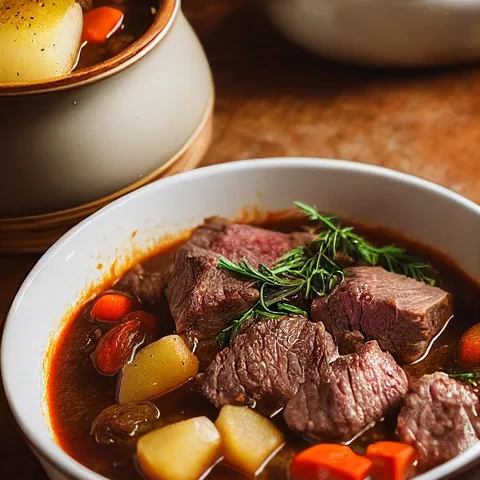
Picadinho is beef cut into small cubes with a knife, browned and simmered with onion, garlic and tomato until it forms a glossy, savoury gravy. In Rio it is plated with white rice, farofa, a fried egg and slices of fried banana, sometimes with a poached egg on top. It is homely, mild and very filling.
Diets
Allergens
Contains (in a typical recipe):
What it is made of
Recipe
Ingredients
- 800 g beef (rump or tenderloin), finely diced
- 1 onion, 3 garlic cloves
- 2 tomatoes
- 1 tbsp tomato paste
- 2 tbsp oil
- Rice, farofa, eggs and bananas to serve
Method
- Brown the beef in hot oil in small batches.
- Add onion and garlic and cook until soft.
- Stir in tomato and tomato paste and a cup of water.
- Simmer for 25-30 minutes until the sauce is thick.
- Serve with rice, farofa, a fried egg and fried banana.
How to make it lighter
- Use lean beef and trim all fat.
- Skip the farofa or use only a spoonful.
- Add diced carrot and potato to the stew for more vegetables.
History
Picadinho is a long-standing favourite of Rio de Janeiro's traditional botecos and restaurants, where it has been a weekday lunch staple for generations. Similar diced-meat stews are cooked in homes throughout Brazil.
Count it in one photo
Point your camera at the table — Me Nutrition recognises Picadinho (Brazilian diced beef stew) and every other dish, with calories and macros for each. Ate only half? Slide it.
Download on the App StoreSimilar dishes

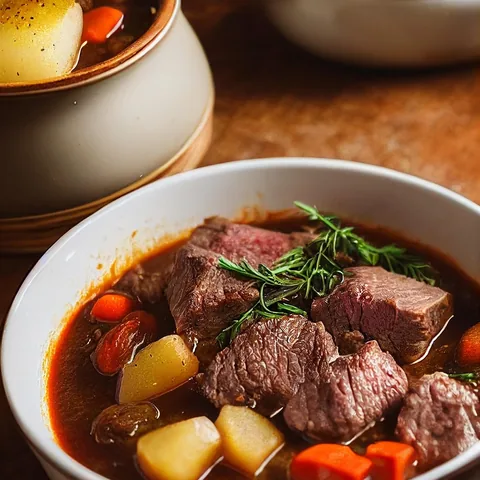
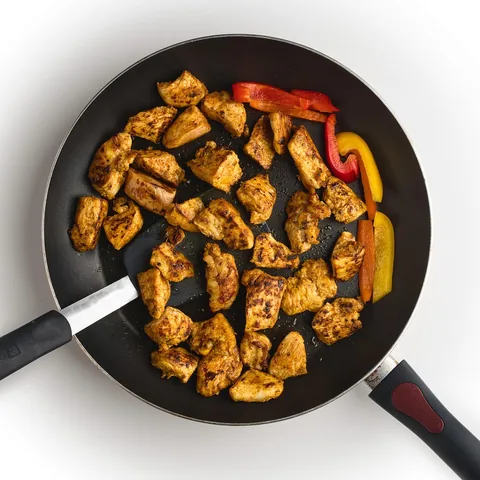
Values are estimates per 100 g for a typical recipe; home and restaurant versions vary. Diets and allergens are worked out from the ingredients of a typical recipe — always check with whoever cooked the dish. Not medical advice. Nutrition data: Me Nutrition dish database v15. How we count →